GoPro Mission Pro 1: Analyzing the "Pro" Concept Aiming to Reinvent Action Cameras
The action camera market is no longer satisfied with just surviving drops and shooting wide-angle footage.
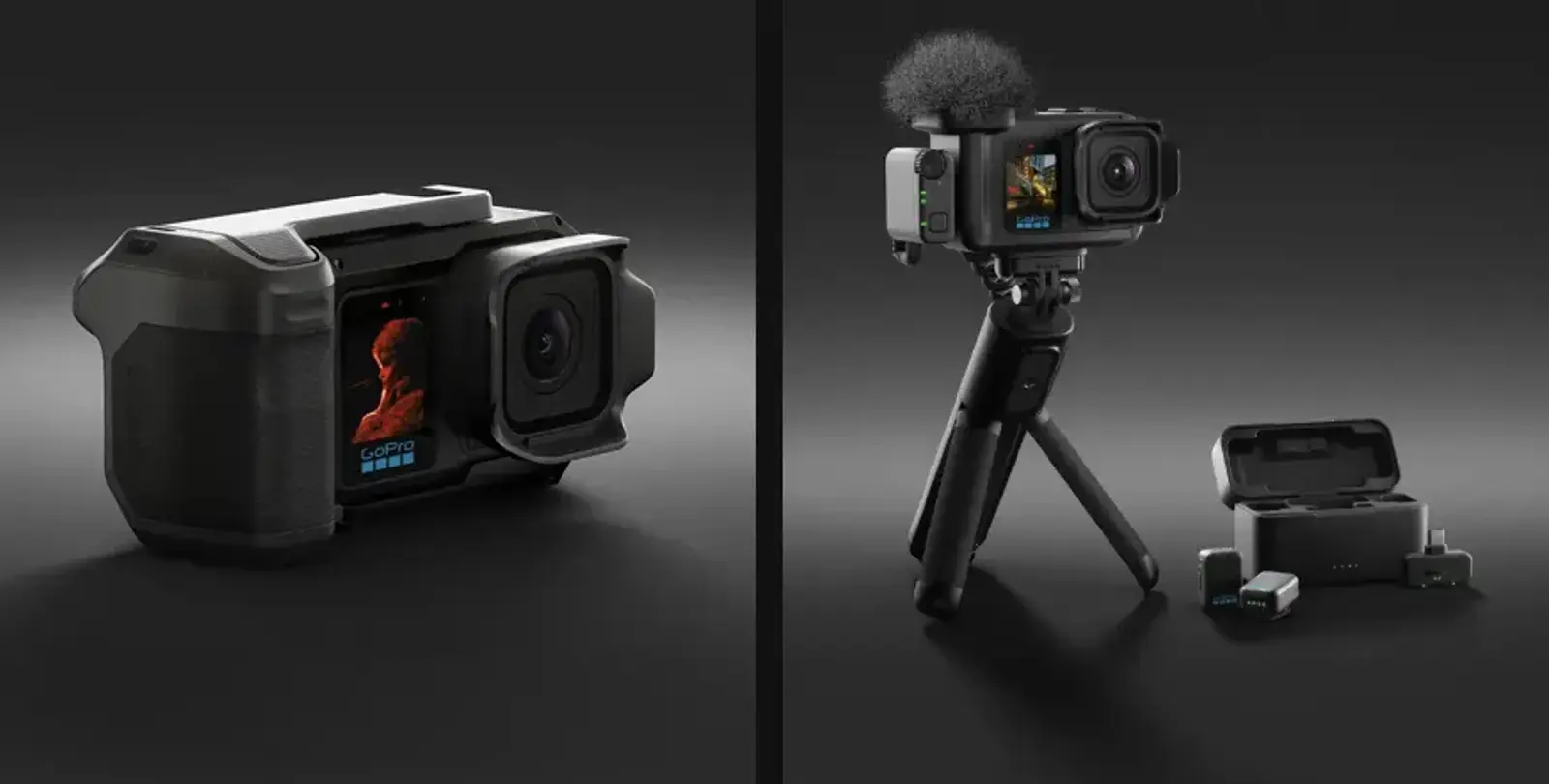

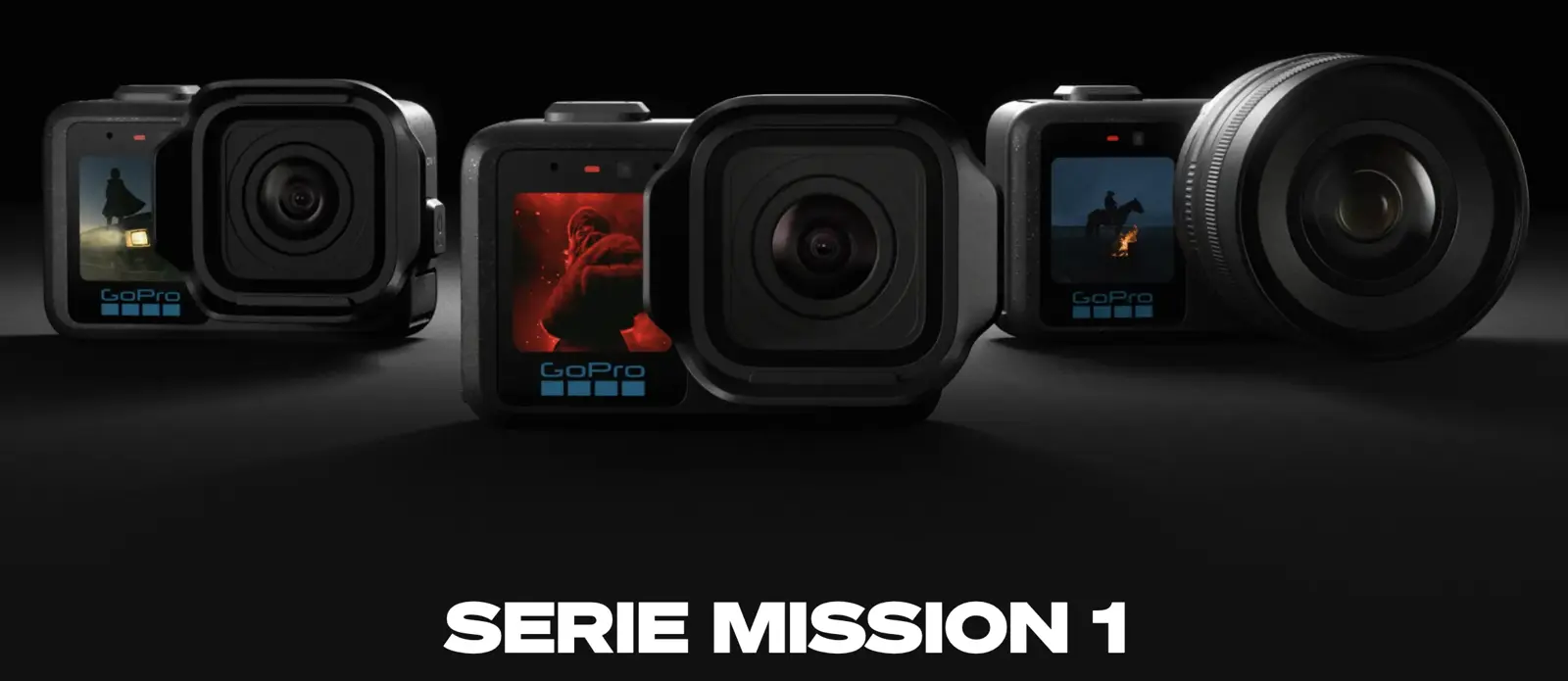
The action camera market is no longer satisfied with just surviving drops and shooting wide-angle footage. With DJI dominating vlogging and pocket formats, the GoPro Mission Pro 1 concept proposes a radical evolution: moving away from the traditional "fixed box" design to adopt a cinematic modular, interchangeable lens architecture.
Here is a breakdown of its projected specifications, key advantages, and potential drawbacks.
Projected Technical Specifications
- Sensor: 1-inch CMOS (the definitive leap professionals demand from GoPro).
- Optics: Modular, interchangeable lens system designed in collaboration with premium optical brands.
- Processor: GP3 chip, optimized for heavy AI-driven workflows.
- Max Resolution: 5.3K at 120 fps / 4K at 240 fps for extreme slow-motion.
- Stabilization: HyperSmooth Pro (a hybrid system combining internal gyro digital stabilization with a micro-magnetic internal gimbal).
- Displays: Full-sized rear touchscreen and an edge-to-edge front display.
Key Advantages
1. Beyond the Mandatory "Fisheye" Look
The greatest strength of the Mission Pro concept is its modular mount. It allows creators to swap a traditional ultra-wide action lens for a 24mm or 35mm linear lens with a fast aperture. This means you can shoot extreme sports in the morning and a cinematic vlog with natural background blur (bokeh) in the afternoon.
2. 1-Inch Sensor for Low-Light Mastery
Historically, GoPro's biggest Achilles' heel has been digital noise after sunset. A 1-inch sensor absorbs up to four times more light, enabling clean indoor or urban night shoots without sacrificing sharpness.
3. Pro-Grade Connectivity and Ecosystem
Unlike standard lineups, this concept integrates high-speed USB-C 4.0 data transfer and native compatibility with professional broadcasting workflows, supporting internal ProRes encoding or 12-bit GP-Log profiles.
Disadvantages and Challenges
1. Loss of Classic "Indestructibility"
Introducing modular lenses and a larger sensor with complex moving optical parts means sacrificing the military-grade ruggedness of the HERO lineup. This is no longer a camera you can crash onto the pavement without a care; it requires handling closer to a mirrorless system.
2. Thermal Management (Overheating)
Processing 5.3K video at high frame rates with a massive sensor inside a compact body generates immense heat. In static scenarios (e.g., on a tripod in a studio), continuous recording times would likely be restricted to prevent thermal throttling.
3. Battery Longevity
A larger sensor and a next-gen processor are power-hungry. Unless the physical size of the battery is increased—which would make the camera heavier—battery life in high-resolution modes would struggle to surpass 45 to 50 minutes.
The "Mission Pro 1" represents the exact path GoPro needs to chart if it wants to win back the premium creator market that has migrated toward the DJI Osmo Pocket or the Insta360 Ace Pro. While it currently stands as a community blueprint of tech demands, it clearly sets the tone for the future of high-end portable cinematography.