GoPro sets pricing for the new Mission 1: the camera it hopes will conquer the professional market
American tech company GoPro has officially revealed pricing for its new Mission 1 camera lineup, a product family designed to push the brand far beyon...
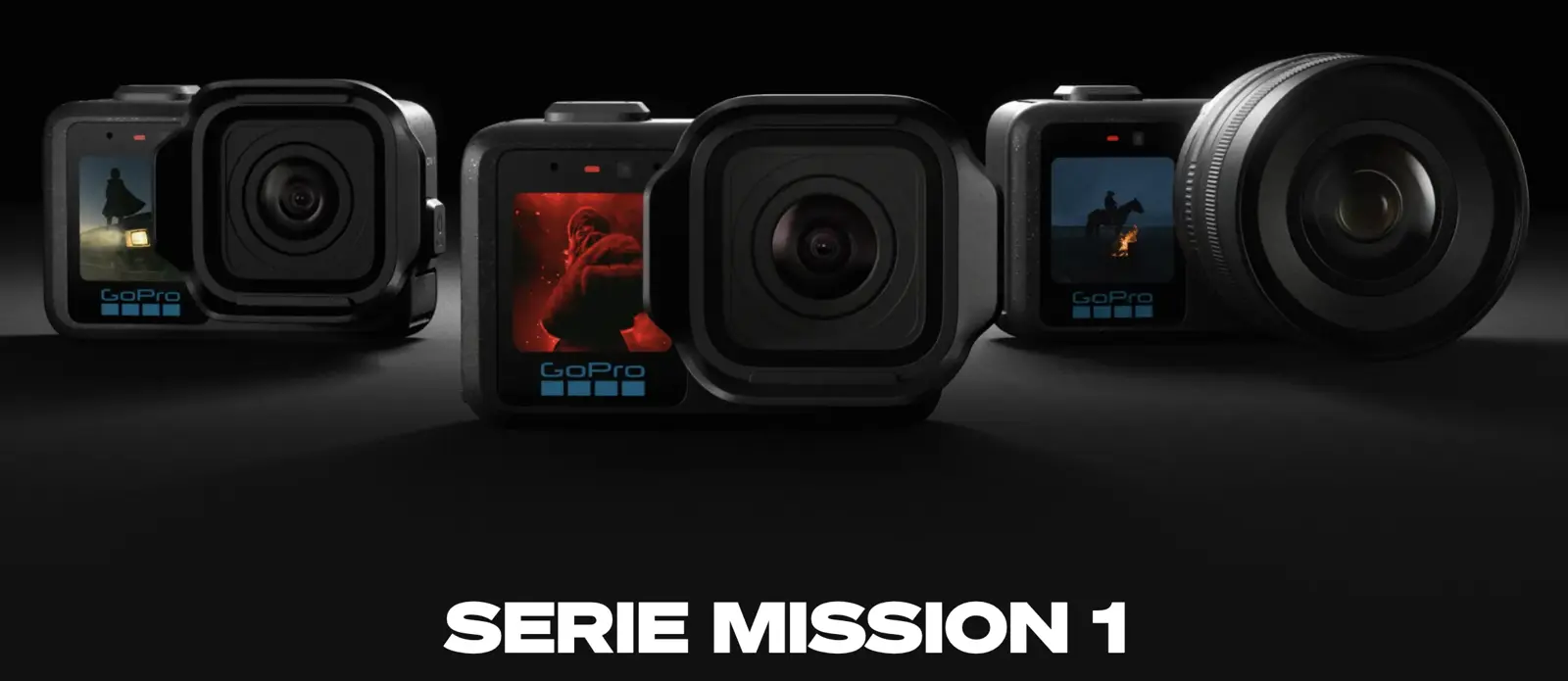

American tech company GoPro has officially revealed pricing for its new Mission 1 camera lineup, a product family designed to push the brand far beyond its traditional action camera roots and into the professional content creation market. The standard GoPro Mission 1 will launch in the United States starting at $599, while higher-end configurations will reach up to $699.
The announcement marks one of the most ambitious moves in GoPro’s recent history. For years, the California-based company built its identity around compact rugged cameras aimed at athletes, travelers and extreme sports enthusiasts. With the Mission 1 series, however, GoPro is clearly targeting filmmakers, digital creators and professional video producers looking for cinematic quality in an ultra-compact form factor.
The new Mission lineup was first introduced during NAB Show in Las Vegas, one of the most important events in the global broadcasting and film production industry. There, GoPro made it clear that the Mission 1 is not simply another action camera. Instead, the company is positioning it as a lightweight professional-grade production tool capable of handling advanced video workflows.
A major shift for GoPro
The Mission 1 represents a significant departure from the Hero cameras that defined the brand for more than a decade. While the device retains GoPro’s familiar compact and durable design philosophy, the internal hardware has been dramatically upgraded.
One of the biggest changes is the inclusion of a new 1-inch, 50-megapixel sensor, substantially larger than those found in previous GoPro cameras. The larger sensor is expected to improve low-light performance, dynamic range and overall image quality — areas where traditional action cameras have often struggled compared to professional cinema systems.
GoPro has also introduced its next-generation GP3 processor, which enables 8K recording and more advanced real-time image stabilization. The base model supports 8K video at 30 frames per second and 4K Open Gate recording at up to 120 fps.
Meanwhile, the GoPro Mission 1 Pro raises the specifications even further, offering 8K recording at 60 fps and 4K video at up to 240 fps. Those capabilities place the device closer to compact cinema cameras than to traditional action cams.
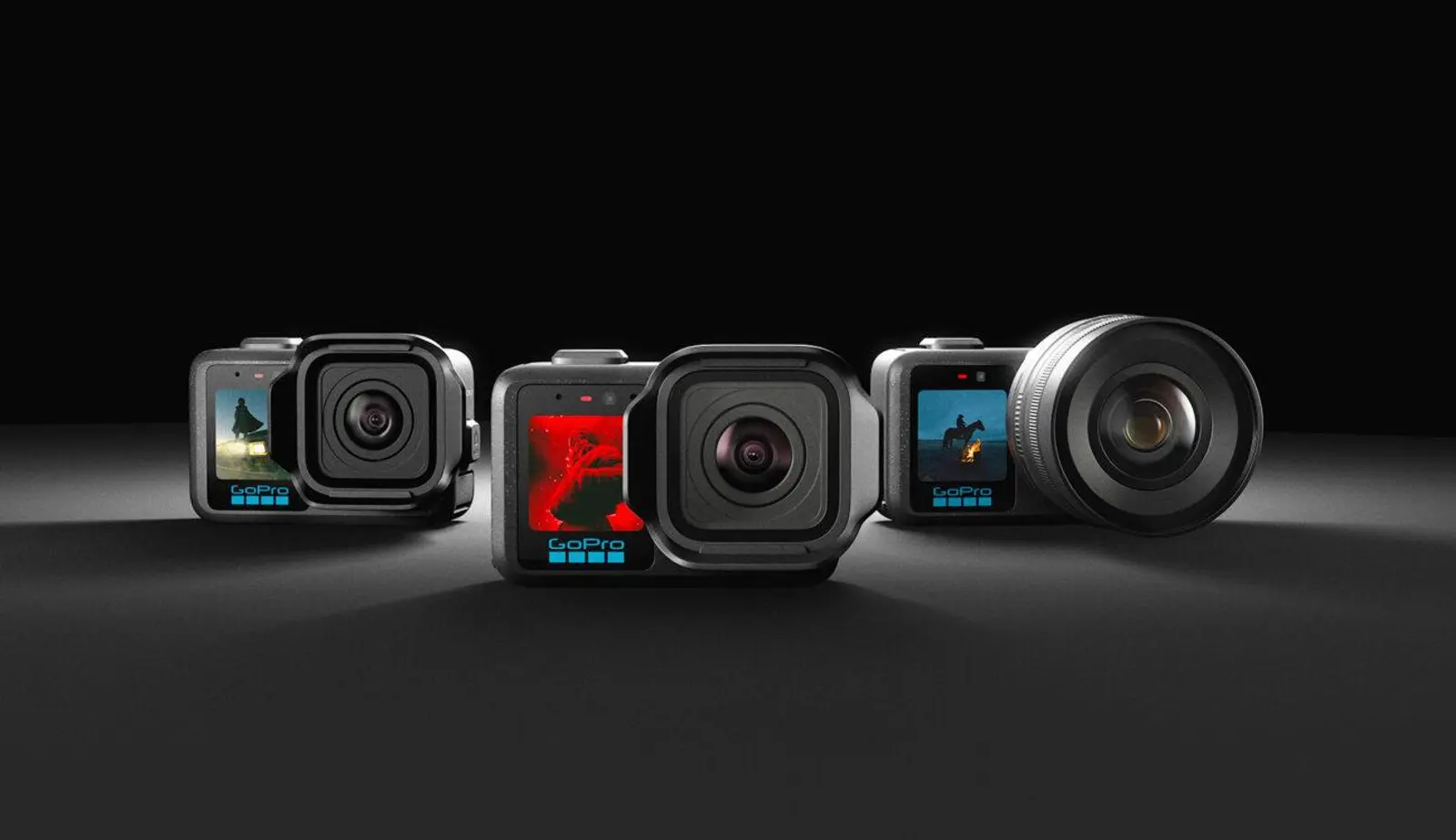
The company also confirmed a third variant, the Mission 1 Pro ILS, featuring a Micro Four Thirds interchangeable lens mount. That version is aimed directly at professional filmmakers and production teams seeking greater optical flexibility and cinematic control.
GoPro wants a place in professional production
The pricing strategy has sparked considerable discussion across the tech and creator communities. At $599, the Mission 1 sits well above most previous GoPro cameras and many competing action cameras on the market.
However, GoPro is making it clear that the Mission 1 is intended to compete in a different category altogether. Rather than focusing purely on sports and adventure users, the company is now targeting creators who need compact cameras for documentary work, mobile productions, travel filmmaking and professional secondary camera setups.
In recent years, ultra-compact cinema-style cameras have become increasingly popular in professional productions because they can be mounted in tight spaces, attached to vehicles or drones and used in situations where larger cinema rigs are impractical.
GoPro appears determined to capitalize on that growing demand.
The company has also introduced several features specifically designed for professional workflows, including 32-bit float audio recording, improved thermal management for long recording sessions and expanded modular accessory support.
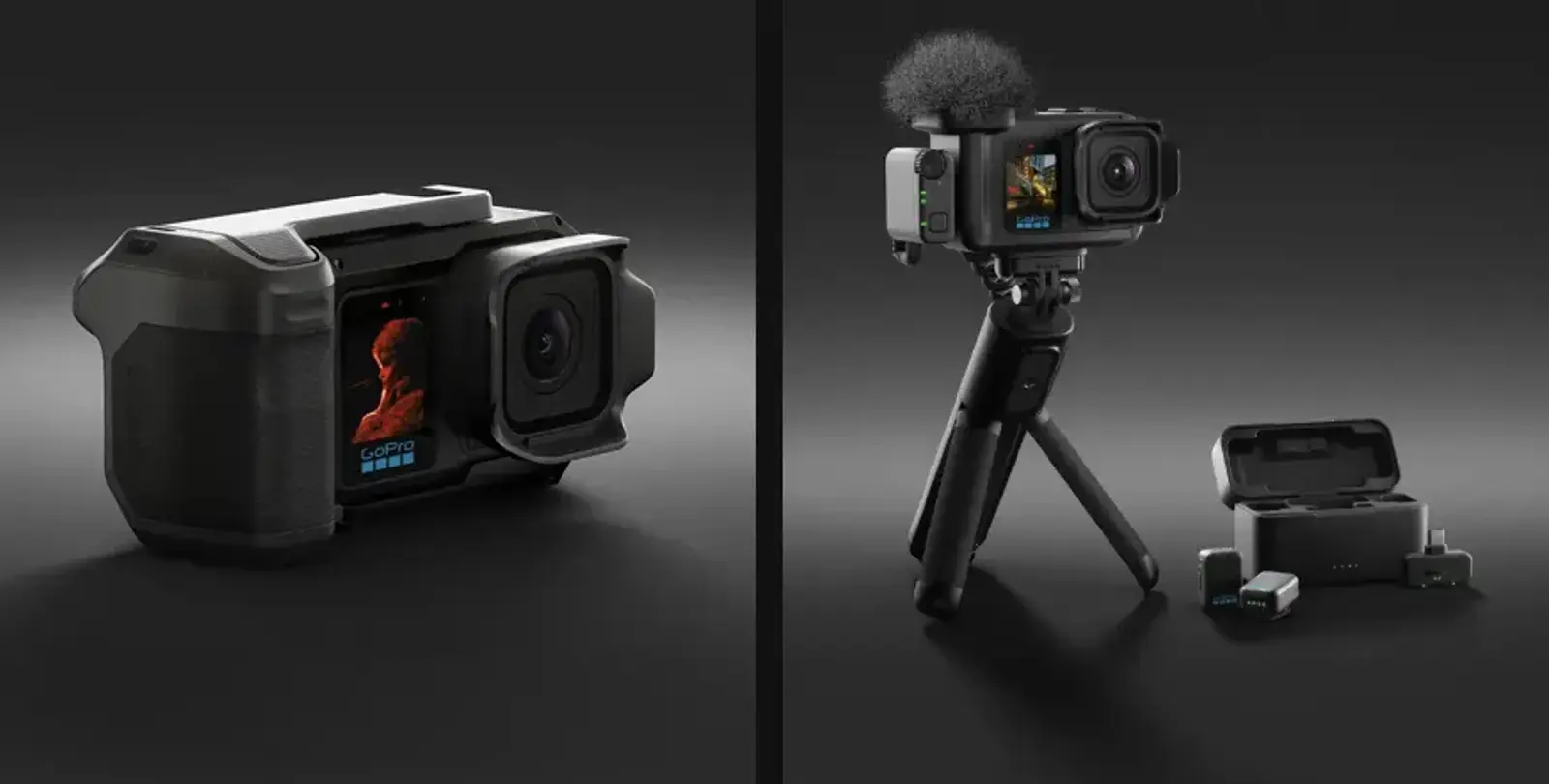
New accessories include multimedia grips, wireless microphone systems, advanced monitoring modules and creator-focused streaming configurations. GoPro is also continuing to integrate cloud-based editing and storage services into its ecosystem, hoping to strengthen long-term customer loyalty.
 tougher competition
The Mission 1 arrives at a critical moment for GoPro. Over the past several years, the company has faced growing competition from brands such as DJI and Insta360, both of which have rapidly expanded their presence in the compact camera and creator markets.
At the same time, the broader action camera segment has become increasingly saturated, making it harder for manufacturers to rely solely on hardware upgrades to drive growth.
By moving into the professional video market, GoPro is attempting to reposition itself as more than just a maker of adventure cameras. The company is betting that creators and filmmakers will embrace smaller, lighter production tools capable of delivering cinematic results without the size and cost of traditional cinema systems.
Industry analysts see the Mission 1 as one of GoPro’s boldest attempts yet to reinvent its brand identity.
Release date and availability
Preorders for the Mission 1 lineup are already open through GoPro’s official website, with the first shipments expected to begin later this month in the United States and several international markets.
GoPro has also announced special pricing incentives for subscribers to its premium service platform, with discounts available for existing members.
Whether the Mission 1 succeeds could play a major role in shaping GoPro’s future direction. The company that once revolutionized action cameras is now trying to enter a far more demanding arena: professional filmmaking and high-end digital content production.
And this time, GoPro is not just selling durability or portability. It is selling the idea that a tiny camera can compete in a much bigger league.