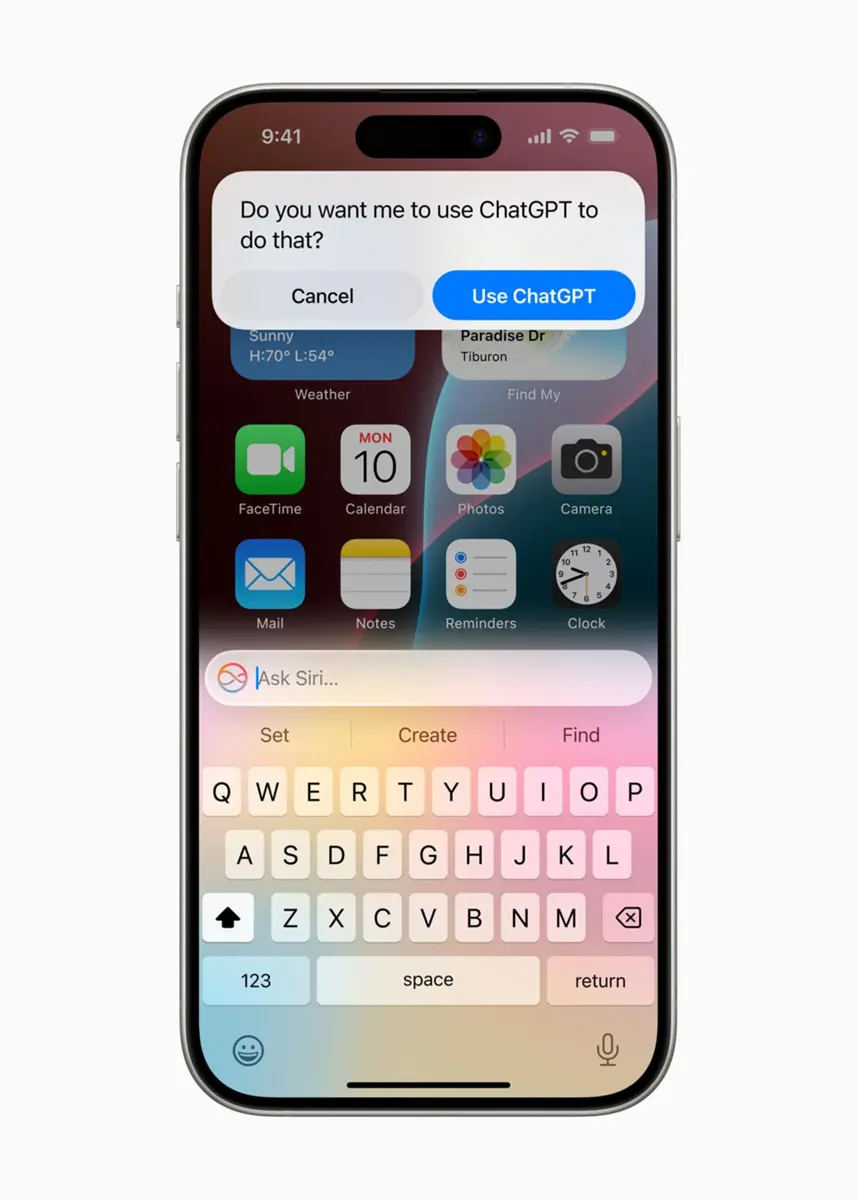
What ChatGPT Can and Cannot Do
ChatGPT isn't magic, even if it feels like it sometimes. It is a powerful tool with clear limitations that is changing how we think, write, and make d...

ChatGPT isn't magic, even if it feels like it sometimes. It is a powerful tool with clear limitations that is changing how we think, write, and make decisions.
In recent years, generative artificial intelligence has evolved from a tech curiosity into an everyday presence. ChatGPT and its various versions no longer live in labs they are in offices, classrooms, social media, and creative workflows. However, this rapid expansion has also fueled a dangerous misconception: the idea that it "can do everything." And no, as disappointing or even amusing as it might sound it cannot.
This article is neither a blind celebration nor an alarmist warning. It is a realistic, slightly uncomfortable anatomy of what these tools can do, what they cannot do, and what they should never be asked to do.
What ChatGPT Can Do (And Why It’s So Impressive)
ChatGPT is designed to generate, transform, and reorganize language. This makes it an incredibly fast, text-focused architect.
It can write long-form content, summarize complex documents, translate between languages with impressive accuracy, brainstorm creative ideas, structure project plans, mimic writing styles, and even help debug code. In its more advanced versions, it can also interpret images, analyze data, and integrate with external tools.
Its greatest strength is not "knowing things," but rather recognizing and connecting patterns. That is why it can answer questions with apparent authority, draft a convincing essay, or generate a professional email in seconds. It is efficient, consistent, and never gets tired—a combination that, in the professional world, is almost disruptive.
Furthermore, there is one quality that makes it uniquely appealing: its adaptability. It can write like a university professor, a screenwriter, a journalist, or a business consultant. This linguistic flexibility is one of its most striking features.
What ChatGPT CANNOT Do (Even If It Bluffs)
This is where the less comfortable part begins.
ChatGPT has no consciousness, no intent, and no human understanding of the world. It does not "know" things the way a person does; it predicts text based on statistical patterns. This means it can be wrong with absolute certainty, making it exceptionally misleading if not used with critical judgment.
It cannot independently verify facts in real time without access to external tools. It can generate incorrect information wrapped in flawless prose. In other words, it can sound entirely convincing while being completely wrong—a dangerous combination in critical contexts.
Nor can it replace human accountability. It doesn’t make real ethical decisions, it doesn’t understand deep moral consequences, and it doesn't take responsibility for what it produces. The final call always rests on the user, no matter how "autonomous" the text appears.
And perhaps most importantly: it has no lived experience. It can describe pain, love, or conflict, but it has never felt them. It can mimic them with linguistic precision, but it cannot inhabit them.
Versions Matter (Much More Than It Seems)
Not all versions of ChatGPT are created equal, even if they look similar from the outside.
Older versions have a more limited context window, are less accurate, and are more prone to errors or generic responses. Advanced versions show significant improvements in reasoning, coherence, handling complex prompts, and multimodal capabilities (text, images, data).
But here is the key takeaway: no version eliminates the structural limits of the system. Even the most advanced model remains a language prediction engine, not a conscious entity.
The difference between versions isn't "magic vs. no magic," but rather the degree of sophistication. It’s like moving from a basic calculator to a supercomputer—more power, but not more humanity.
Proper Uses: Where It Truly Shines
ChatGPT works best as an assistant, not a replacement.
It is excellent for accelerating creative processes: writing drafts, exploring ideas, structuring projects, or overcoming the dreaded writer's block. It is also highly effective as an educational tool because it can explain concepts in multiple ways until they click.
In professional environments, it saves time on repetitive tasks like emails, summaries, documentation, and brainstorming. In programming, it helps spot bugs, suggest optimizations, and explain complex code.
In short, its value lies in augmenting human capabilities, not replacing them entirely.
Problematic Uses: Where the Risks Begin
The trouble starts when we demand what it cannot guarantee.
Using it as a sole source of information for medical, legal, or financial matters is risky. Not because it always fails, but because it can fail invisibly.
It is also problematic to attribute moral authority or independent judgment to it. ChatGPT doesn’t hold "opinions" in the human sense; it generates responses based on data patterns.
Another significant risk is dependency. When a tool begins to replace thinking rather than supporting it, we lose our own critical judgment. In the long run, that is far more dangerous than any isolated factual error.
The Core Misunderstanding: Confusing Fluency with Truth
One of the most common mistakes is assuming that a well-written text is an accurate text. ChatGPT is exceptionally good at producing fluency, but fluency is not a synonym for truth.
This creates a dangerous illusion of authority. A coherent, well-structured, and elegant paragraph can hide inaccuracies without the average reader ever noticing.
That is why critical thinking is essential. Verifying, cross-referencing, and contextualizing information remains a strictly human responsibility.
Beyond the technology itself, what changes with ChatGPT is not just how we write, but how we think about writing, knowledge, and authority.
For centuries, producing text was a slow process associated with expertise and effort. Now, speed has changed the rules. This forces us to redefine what we truly value: the output or the judgment, the form or the verification, the speed or the depth.
ChatGPT does not eliminate the need for human thought; it makes it more visible.
ChatGPT is, at best, an amplifier of human capability. At worst, it is a convincing generator of well-written errors.
Knowing what it can and cannot do is not a technical detail; it is the difference between using it as a tool and turning it into a false authority.
Artificial intelligence does not replace human judgment. It challenges it, accelerates it, and sometimes makes it uncomfortable.
And perhaps that is its true value: not answering for us, but forcing us to think harder before accepting any answer. So, remember: it is not a grand oracle that holds all the answers. You must always question whether what it gives you is truly what you need.