The Iran Effect: How Geopolitics is Giving Markets Room to Breathe
An analysis of how diplomatic expectations in the Middle East are dismantling the energy risk premium, stabilizing equity markets, and reshaping global inflation and monetary policy outlooks.

An analysis of how diplomatic expectations in the Middle East are dismantling the energy risk premium, stabilizing equity markets, and reshaping global inflation and monetary policy outlooks.
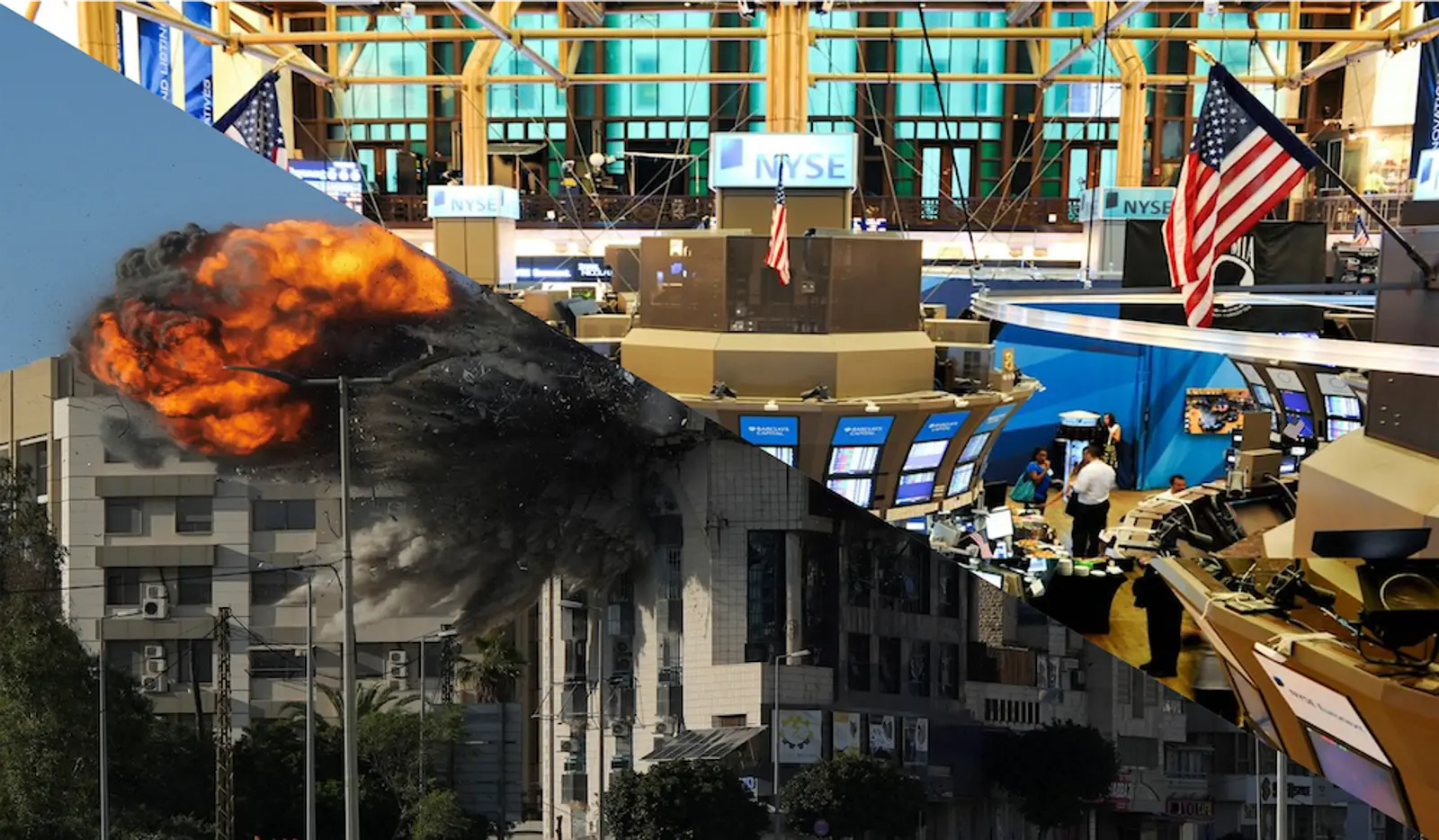
The recent behavior of global financial markets in response to rumors and reports of a potential diplomatic breakthrough between the United States and Iran offers a masterclass in both the human and mathematical nature of modern capitalism. In a matter of hours, optimism surrounding a step forward in negotiations transformed the landscape of the economic system's most sensitive variables: crude oil prices experienced an immediate pullback, while major equity markets, led by Wall Street, responded with a collective sigh of relief that translated into solid gains. This simultaneous yet opposing reaction is no coincidence; it is the manifestation of a global market that, above all else, loathes uncertainty. What we are witnessing is a process by which international capital aggressively prices in a reduction of geopolitical risk in the Middle East—a region whose stability is directly proportional to the health of the global energy supply chain.
To understand the magnitude of this shift, one must analyze the behavior of the oil market, which has historically acted as the truest barometer of military and diplomatic tensions. On the back of news regarding progress in talks between Washington and Tehran, international benchmarks, such as Brent crude and West Texas Intermediate (WTI), posted significant declines of between 1% and 2% over recent sessions. From an expert perspective, this pullback does not reflect an immediate change in the physical fundamentals of current supply and demand; there is no more oil flowing through pipelines today than there was last week. Instead, what the market is dismantling is the so-called "geopolitical risk premium." In times of high military tension, traders price an artificial premium into a barrel of crude to hedge against potential shortages. When diplomacy gains ground, that premium evaporates. Expectations of an extended ceasefire and the subsequent smooth reopening of shipping lanes eliminate the fear of supply disruptions, pushing prices back toward levels dictated purely by actual consumption.
The epicenter of this logistical and strategic dynamic lies in a very specific geographic choke point: the Strait of Hormuz. As market analysts, we know that geopolitics is, ultimately, a branch of global logistics. Approximately one-fifth of global oil consumption passes through this narrow waterway, making it the most critical artery of the energy system. During recent periods of hostility, threats of blockades, attacks on tankers, and skyrocketing marine insurance premiums drastically reduced the efficient flow of vessels, choking off supply and driving up operating costs. Current optimism is built on the premise that a diplomatic breakthrough would guarantee freedom of navigation through the strait. However, an expert eye demands caution here: the full normalization of transit and the restoration of shipping company confidence do not happen with the stroke of a pen; it is a process that can take months. The market, in its usual haste, tends to celebrate political intent, but the economic reality will depend on how quickly the logistical horizon clears in the waters of the Persian Gulf.
As oil fell, global trading floors turned green in a symmetrical and predictable response. Benchmark indices such as the S&P 500, the Nasdaq, and major European markets experienced an upward rally driven by a sharp shift in investor sentiment. In classical financial theory, the mechanism behind this optimism is mathematical and sequential. Oil is not just a commodity; it is the foundational baseline input of industrial civilization. When energy prices drop, it triggers a chain reaction that directly benefits corporations and consumers alike. First, global transport and industrial production costs decline, easing pressure on corporate profit margins. Second, and perhaps most importantly in today's macroeconomic climate, falling crude dampens the primary driver of sticky inflation.
This inflationary relief is the true catalyst for the enthusiasm on Wall Street, as it directly alters expectations surrounding central bank decisions, particularly those of the U.S. Federal Reserve. If energy-driven inflation cools, the need to maintain a restrictive monetary policy diminishes drastically. Investors have begun to anticipate that a backdrop of lower geopolitical tensions will grant central bankers the room needed to pause interest rate hikes or, eventually, begin cutting them more aggressively. In the financial ecosystem, lower interest rates equate to higher liquidity and a lower cost of capital. This immediately boosts the intrinsic appeal of risk assets, especially technology and growth stocks, whose future valuations depend heavily on current discount rates. In this way, markets demonstrate their ability to convert a diplomatic statement into a financial return equation.
However, an institutional reading of this phenomenon forces us to temper the enthusiasm. What we are seeing on trading screens is not a definitive celebration of peace, but what is known in financial jargon as "conditioned optimism." Professional traders are acutely aware that modern markets live and breathe by headlines, which generates intrinsic volatility. Much of the stock market rally and the drop in oil is not due to a structural shift in the real economy, but rather to the hasty unwinding of short-term speculative positions. Hedge funds that were betting on record oil prices are forced to cover their short positions quickly to limit losses, exacerbating the downward trend. There remains a latent risk that any setback at the negotiating table, hostile rhetoric, or an isolated incident on the ground could instantly reverse the trend, triggering a whipsaw effect that could once again destabilize investment portfolios.
In the long run, the real impact of this detente will be measured in the pockets of global consumers and the stability of international trade. When energy becomes sustainedly expensive, it exerts a contractionary effect on the economy: food prices rise, basic consumer goods become more expensive, and household purchasing power is depressed, cooling aggregate demand and raising the risk of stagflation. A potential agreement between the United States and Iran works in the opposite direction, acting as a stabilizer that restores predictability to supply chains. Ultimately, the financial market has once again proven its forward-looking nature. It does not wait for events to solidify; it prefers to bet on the trend. The temporary truce in oil prices and the equity rebound remind us that, on the 21st-century economic chessboard, geopolitical stability is the most valuable and highly quoted asset of all. Risk has dropped just enough for the system to catch its breath, but in a hyper-connected world, investors keep one eye on the ticker and the other on international diplomacy.