Migration or Immigration – a Borderless Debate
Migration is not a statistic: it is a quiet rewriting of the world that happens every time someone crosses a border and, in doing so, alters the narra...
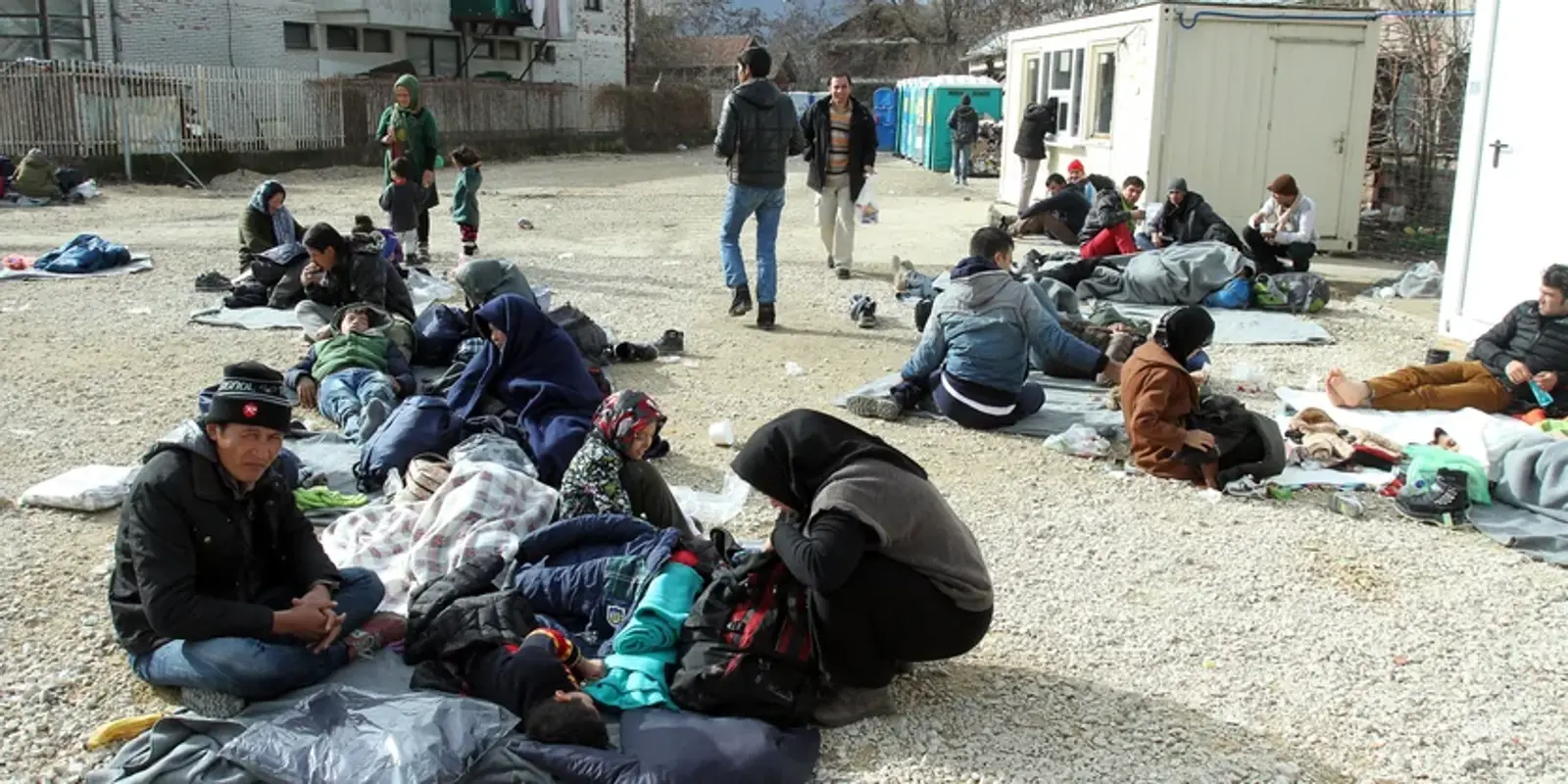

Migration is not a statistic: it is a quiet rewriting of the world that happens every time someone crosses a border and, in doing so, alters the narrative of two countries at once.
In contemporary debates, “migration” and “immigration” are often used as if they were interchangeable, almost administrative synonyms. But they are not. They are two ways of observing the same phenomenon from opposite sides of a mirror: one describes the entire movement; the other captures only the moment that movement reaches a new shore. And this seemingly technical distinction ends up shaping laws, discourse, and even collective emotions.
Migration is the total phenomenon: human movement in its broad, historical, and inevitable dimension. It speaks of flows, routes, and continuity. Immigration, by contrast, is a localized perspective: the precise point at which someone enters a territory that already has rules, memory, and its own tensions. Migration is the river; immigration is the estuary as seen from the city that fears the current.
And yet, language is rarely used with such precision. In public discourse, migration becomes an abstract, almost meteorological term, while immigration becomes concrete, political, and often emotionally charged. One is analyzed in reports; the other is debated at dinner tables.
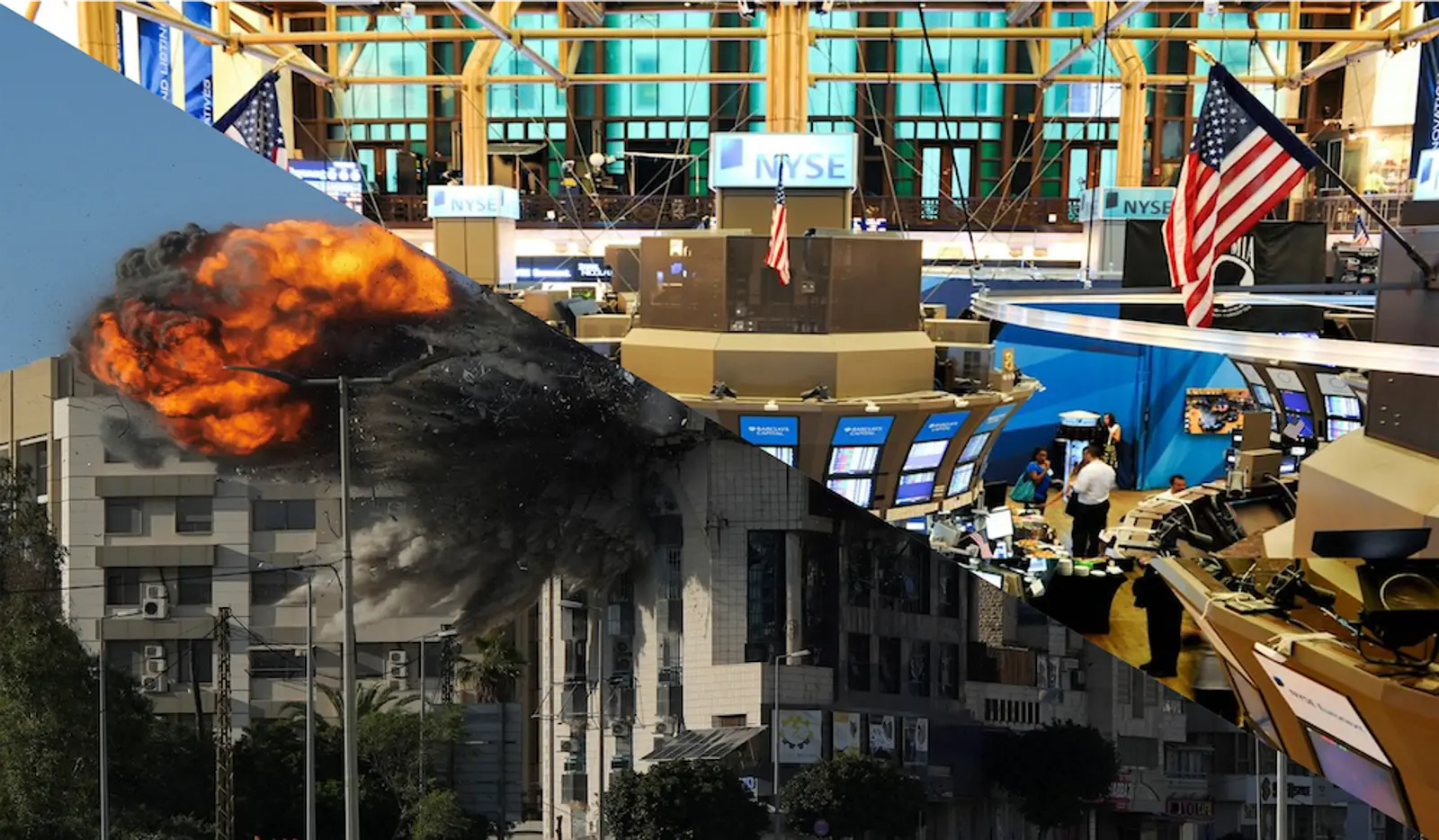
There is a difficult-to-ignore irony here: the same economic systems that depend on the global mobility of goods, capital, and information are often uneasy about the mobility of people. As if the world were global for products, but local for those who produce them. A form of globalization with a selective revolving door, where containers pass freely while passports are scrutinized through a moral lens.
In this context, the migrant rarely appears as a complete individual. In the country of origin, they become absence. In the country of destination, they become either a problem or a necessity, depending on political circumstances. Between these states, the person dissolves into categories: worker, irregular, refugee, talent, burden, contributor. As if human identity could be reduced to a label.
The issue is not merely semantic, although language here acts like an invisible architect. “Immigration” emphasizes impact at the destination; “emigration” emphasizes loss at the origin; “migration” forces us to see the entire system. Each linguistic choice reshapes public debate without announcement or ceremony.
Human history is not a history of stability, but of movement. Modern cities are largely the product of accumulated migration, much of it forgotten. The idea of static societies is less a historical reality than a modern political construction.
Modernity has also turned human mobility into a regulated exception. Crossing borders means passing through layers of law, surveillance, and expectation. As if the planet had decided geography alone was not enough and required bureaucracy as well.
Public debate often reduces this phenomenon to two opposing narratives: threat or solution. But this dichotomy is intellectually convenient and analytically weak. Migration is neither automatic salvation nor inevitable collapse. It is a structural process that generates tension, but also sustains demographics, enables labor, and supports societies in transformation.
Another uncomfortable point is the invisibility of the everyday. Migration is often discussed during crises, rarely during normal functioning. Yet when systems “work,” they often do so thanks to people whose political existence is contested, even as their economic presence is indispensable.
Collective emotions also play their part. The destination experiences change as rupture; the origin experiences departure as quiet erosion. Both perspectives are real, but incomplete unless understood as parts of the same movement.
Ultimately, the central question is not whether migration is good or bad—a question too simple for such an ancient phenomenon—but who defines the framework in which it is discussed. Because real power lies not only in regulating movement, but in naming it.
And between migration and immigration, what changes is not the fact, but the perspective. And as is well known, perspective in politics can move mountains—or at least change the way we draw them on maps.