France Boards Russian Oil Tanker on High Seas, Triggering Diplomatic Crisis as Moscow Denounces Piracy
The dramatic French Navy operation against a vessel arriving from Russia in international waters of the Atlantic has opened a new front of tension between the West and the Kremlin.
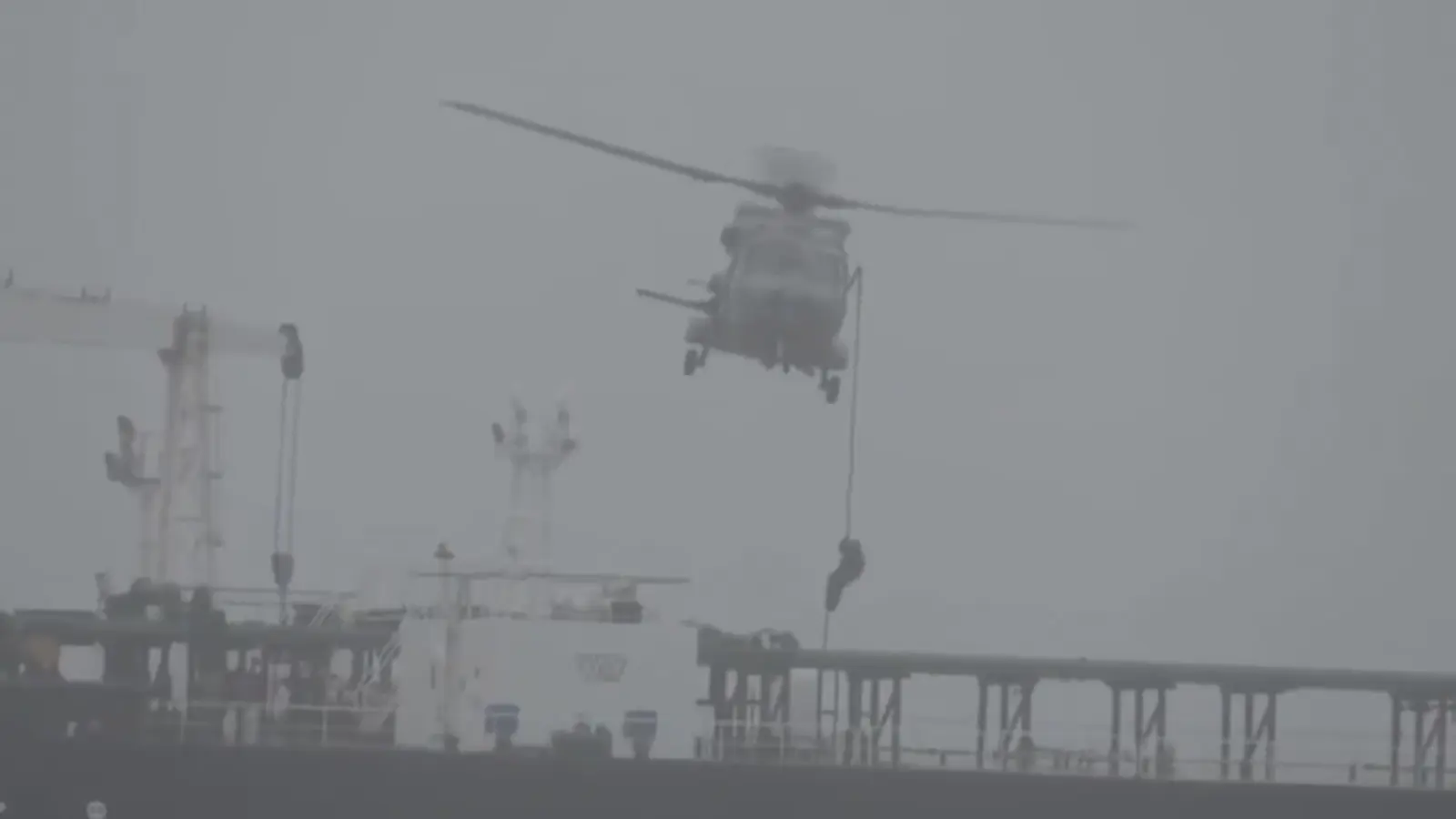

The dramatic French Navy operation against a vessel arriving from Russia in international waters of the Atlantic has opened a new front of tension between the West and the Kremlin. With military personnel descending from a helicopter onto the deck of an oil tanker and both sides trading accusations over the legality of the intervention, the incident could mark a turning point in the silent war being fought across the world's oceans over Russian energy exports.
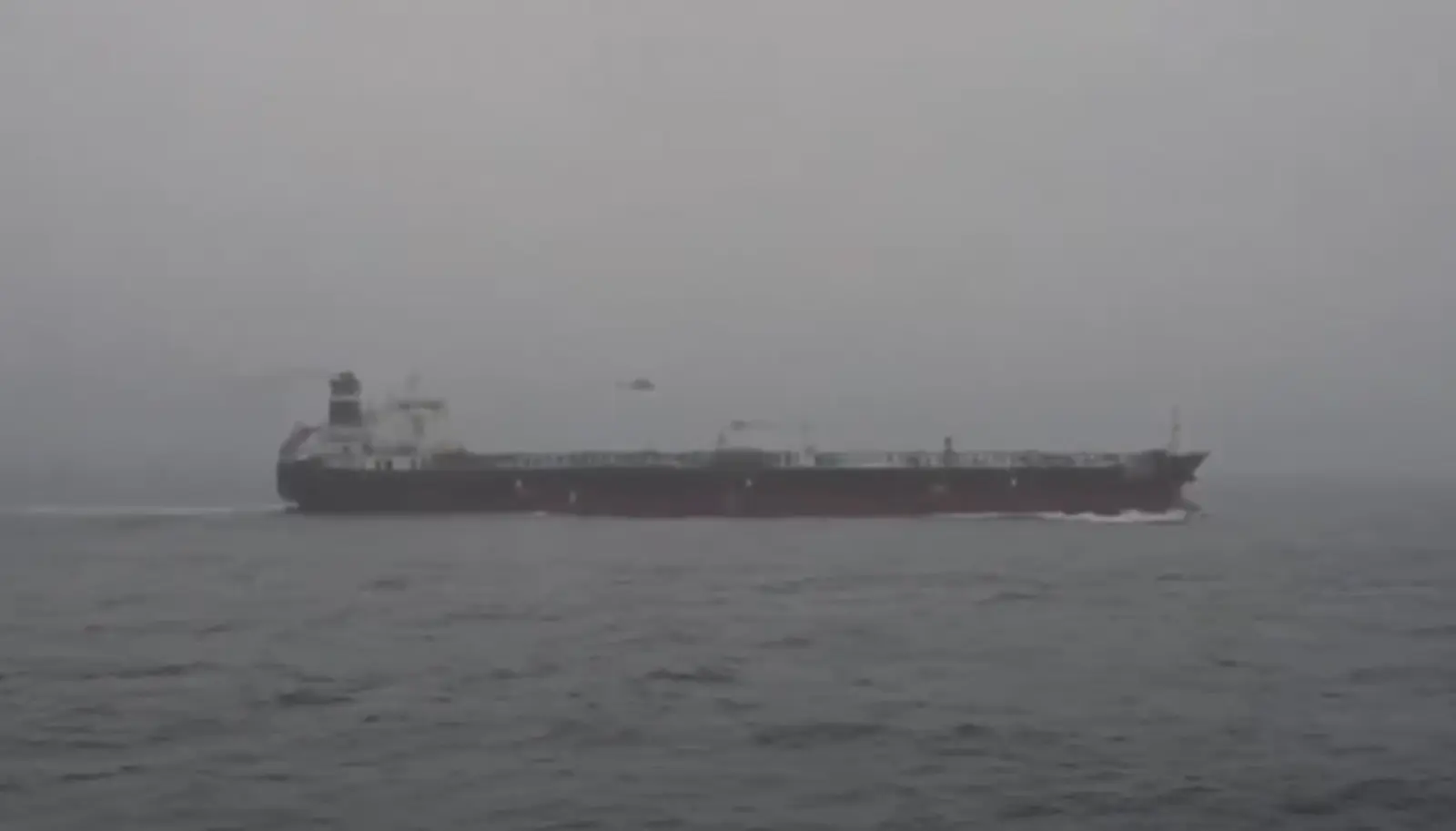
The scene looked as though it had been taken from a military operation targeting pirates or drug traffickers. From a French military helicopter, several personnel rappelled down onto the deck of a massive oil tanker navigating through international waters in the Atlantic Ocean. Yet the target was neither a criminal organization nor a terrorist threat. The vessel that was intercepted was the "Tagor," a tanker arriving from Russia that French authorities claim is linked to the so-called "shadow fleet" allegedly used by Moscow to maintain its energy exports despite Western sanctions.
The operation, carried out with support from the United Kingdom and other European partners, immediately provoked a response from the Kremlin. Moscow described the French action as an "illegal operation bordering on international piracy" and warned that it would take measures to protect its maritime interests. What Paris considers a legitimate enforcement of international regulations and sanctions against Russia is viewed by the Russian government as a dangerous escalation that could alter the established rules governing navigation on the high seas.
According to information released by French authorities, the tanker was sailing under the flag of Cameroon and had departed from the Russian port of Murmansk with a declared destination in the African nation. However, preliminary inspections reportedly raised doubts about the validity of the vessel's documentation and the legality of the flag under which it was operating. The maritime prefecture responsible for the area stated that the initial checks reinforced suspicions that there were irregularities concerning the ship's nationality.
That detail is essential to understanding the legal dimension of the case. Under international maritime law, a vessel's flag is not merely a decorative symbol. It serves as proof of nationality and determines which state has jurisdiction over the ship. If a vessel is sailing under a false flag, carrying irregular documentation, or unable to validly demonstrate its nationality, its legal status changes dramatically and it may become subject to inspections and controls that would normally be impossible in international waters.

French authorities maintain that there were sufficient grounds to justify the intervention. They further stated that the vessel's captain, reportedly a Russian national, initially ignored orders issued by the French Navy, prompting an escalation of the operation. Prosecutors in Brest confirmed that an investigation had been opened regarding the lack of conclusive proof of the ship's nationality and the initial refusal to comply with instructions issued by naval authorities.
The response from President Emmanuel Macron was swift and unequivocal. Through social media, the French leader defended the actions of the country's armed forces and argued that it was unacceptable to allow vessels involved in sanctions evasion to continue financing Russia's war against Ukraine. Alongside his statement, Macron published a short video of the operation, showing the exact moment military personnel descended onto the deck of the tanker, images that quickly circulated around the world.
Behind this incident lies a much broader and more complex reality: the international campaign against Russia's so-called shadow fleet. Since Western sanctions related to the war in Ukraine were imposed, numerous governments have alleged the existence of an extensive network of tankers used to transport Russian crude oil through mechanisms specifically designed to make tracking and enforcement more difficult. These vessels often operate through opaque corporate structures, frequently change flags, alter ownership registrations, and in some cases disable tracking systems in order to reduce international oversight.
For Western governments, this network represents one of the primary mechanisms allowing Moscow to continue generating substantial energy revenues. For Russia, however, the sanctions are unilateral measures that should not justify physical interference with vessels operating outside the territorial waters of the countries imposing them.
The strategic significance of the incident lies precisely in that point. This was not simply an administrative penalty or a financial restriction. France deployed military assets to stop and inspect a vessel on the high seas. Although Paris insists that the operation was conducted within the framework of international law, the precedent is significant because it demonstrates a growing willingness among some European countries to directly intervene against ships suspected of participating in sanctions-evasion schemes.
Maritime security experts suggest that similar operations could become more frequent in the coming months if suspicions surrounding shadow fleet activities continue to grow. At the same time, they warn of the risks involved. Every interception increases the possibility of diplomatic incidents, miscalculations, or confrontations that could escalate rapidly in an already highly tense geopolitical environment.
Another aspect attracting the attention of international observers is the lack of definitive information regarding the crew. Although it is known that there were 23 people aboard and that the captain is believed to be a Russian citizen, complete details regarding the crew's composition and any potential links to sanctioned entities have not yet been disclosed. Nor have authorities publicly released the full set of documents examined during the inspection.
As investigations continue, the tanker will undergo additional inspections under French supervision. The outcome of those inspections could prove decisive. If authorities are able to demonstrate substantial irregularities in the vessel's documentation or in the use of the Cameroonian flag, France's legal position will be significantly strengthened. If, on the other hand, no conclusive evidence emerges, Russia will likely argue that the operation constituted an overreach of authority in international waters.
Regardless of the legal outcome, the episode has already produced a powerful image: military personnel descending from a helicopter onto a tanker linked to Russia in the middle of the Atlantic Ocean. It is a scene that symbolizes how the confrontation between Moscow and the West is no longer being fought solely on battlefields, in energy markets, or through diplomatic channels, but also along the maritime routes that connect continents and sustain a crucial part of the global economy.