The reform that could change elections in Mexico: sovereignty, social media, and a new political fear
The Mexican Chamber of Deputies has approved a constitutional reform that would allow elections to be annulled due to “foreign interference,” a phrase that sounds technical, legal, and even reasonable… until you start...
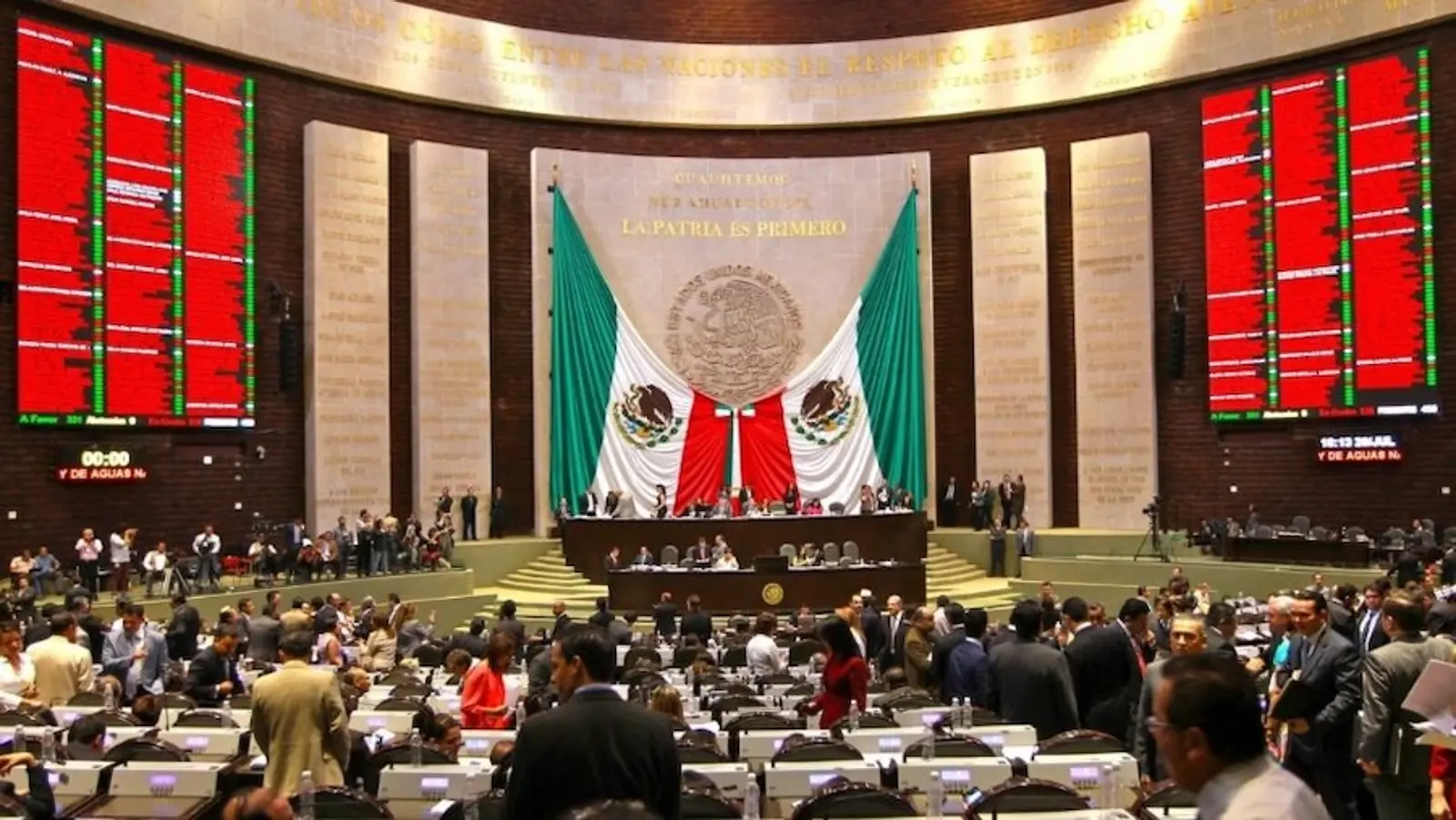

The Mexican Chamber of Deputies has approved a constitutional reform that would allow elections to be annulled due to “foreign interference,” a phrase that sounds technical, legal, and even reasonable… until you start asking what it actually means.
Mexico has officially stepped into the era of digital electoral warfare.
Because behind that concept lies a wide and messy reality:
bots, digital campaigns, illegal funding, foreign propaganda, algorithmic manipulation, coordinated disinformation, and even international media pressure. And that’s where the political fire really started.
The ruling party argues this reform is meant to protect Mexican sovereignty against foreign operations capable of influencing elections. The opposition, however, insists the issue is not intent, but the size of the legal loophole created by such a broad definition.
The question is no longer whether foreign interference exists in modern politics. Almost nobody disputes that anymore. The real question is different:
who gets to decide what counts as interference—and what doesn’t?
Because in 2026, political campaigns no longer live only in rallies, billboards, and television ads. They now exist inside TikTok, X, Facebook, YouTube, WhatsApp, and algorithm-driven recommendation systems. And Mexico appears to be legislating precisely for that new reality.
The real context behind the reform
Officially, the initiative aims to prevent foreign governments, international organizations, or external digital networks from altering Mexico’s electoral processes.
But politically, the reform arrives at a highly sensitive moment.
Mexico is currently facing:
- intense political polarization
- ongoing confrontation between government and opposition
- a crisis of institutional trust
- the expansion of organized crime
- and an increasingly aggressive online narrative war
On top of that comes a newer phenomenon: global digital paranoia.
For years, governments around the world have become obsessed with the idea that elections can be manipulated online without ever touching a ballot box.
The United States experienced the trauma of alleged Russian interference. Brazil faced massive disinformation campaigns. Europe began debating digital sovereignty. India tightened regulations over platforms. Now Mexico appears to be entering the same terrain.
And that explains why this reform is not just a technical electoral adjustment—it is a symptom of something much larger:
states struggling with the fear of losing political control to digital platforms.
The problem with the word “interference”
The word sounds reasonable until you try to define it.
Detecting illegal foreign funding is one thing. Proving international digital manipulation is something entirely different.
For example:
- Does a New York Times report on cartel politics count as foreign pressure?
- Can a viral campaign driven from accounts outside Mexico be considered interference?
- What if political influencers live abroad?
- What if a trend starts outside Mexico but ends up shaping domestic debate?
The legal challenge is enormous because the internet has erased traditional information borders.
A video recorded in Miami can influence political conversations in Monterrey within minutes. A hashtag created in Madrid can trend in Mexico City. Automated systems can amplify political content from anywhere in the world—and technically, all of that can influence an election.
The difficulty lies in proving when that influence is organic… and when it is part of a coordinated operation.
The most sensitive layer: AI and digital manipulation
This is arguably the real core of the reform: it is not only about traditional foreign governments anymore—it is about artificial intelligence.
Deepfakes, bot farms, automated campaigns, hyper-realistic fake videos, and large-scale emotional manipulation are now part of the political environment.
And the problem is simple: technology has evolved far faster than the law.
Today, tools already exist that can:
- clone voices
- fabricate speeches
- generate non-existent interviews
- simulate entire social movements
- and run highly targeted propaganda using massive datasets
In other words, modern democracy is no longer fighting only classic electoral corruption. It is now confronting digital systems capable of shaping public perception in real time.
The most controversial element: the power to annul elections
This is where the debate becomes explosive.
The reform would allow courts to determine whether an election was significantly affected by foreign interference.
That raises huge questions:
- What level of evidence is required?
- How do you measure the impact of a digital campaign?
- Who certifies that an algorithm influenced voters?
- How do you distinguish coordinated propaganda from normal online discourse?
In a deeply polarized country like Mexico, critics fear that answers to these questions could end up depending more on political alignment than technical certainty.
Some argue this could turn into a permanent tool for post-election litigation—losing at the ballot box and attempting to win later in court.
The battle for narrative control
There is another element that is rarely stated openly: this reform also reflects a global struggle over narrative power.
For decades, governments could relatively manage public information through television, radio, and traditional press.
That era is over.
Today, narrative power is fragmented across:
- technology platforms
- influencers
- digital media outlets
- artificial intelligence systems
- and highly polarized audiences
States are reacting late—and often out of fear—after realizing something uncomfortable:
they no longer fully control the public conversation.
And when governments lose narrative control, new regulations usually follow.
What is really happening
The reform on foreign interference is not just an electoral law. It signals that Mexico is entering a new political phase where:
- campaigns are algorithmic wars
- sovereignty is also digital
- and democracy increasingly depends on who controls information
The fear used to be vote-buying.
Now the fear is large-scale perception manipulation.
And honestly, that battle is only just beginning.