The Ocean Is Getting Darker And Scientists Fear It Could Permanently Change Marine Life
A silent phenomenon is spreading through the world’s oceans: sunlight is no longer reaching as deep beneath the surface, and scientists warn the consequences could be massive.
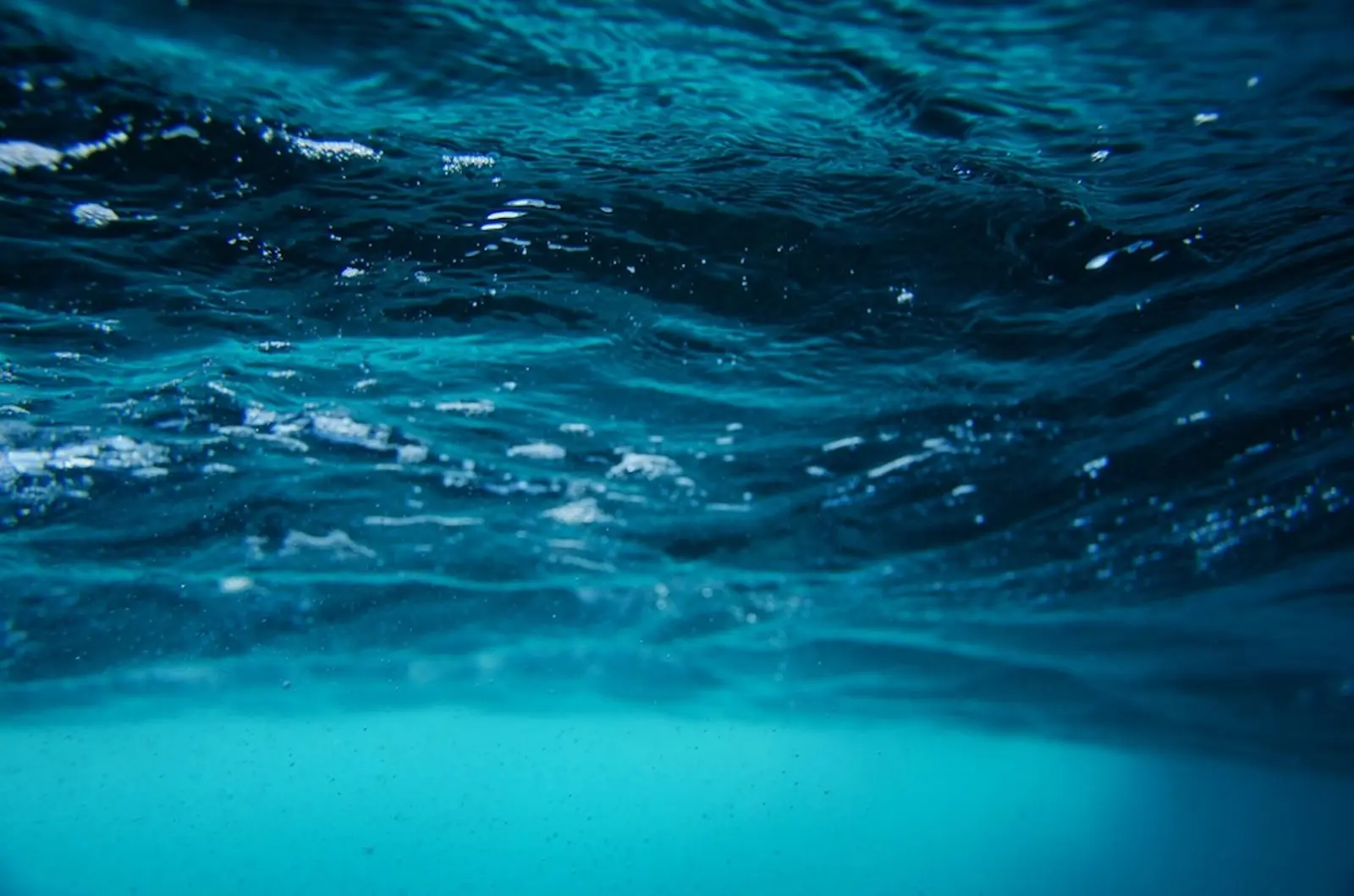

A silent phenomenon is spreading through the world’s oceans: sunlight is no longer reaching as deep beneath the surface, and scientists warn the consequences could be massive.
The ocean is changing, and not just in color. An international team of researchers has raised concerns about a growing phenomenon that could reshape marine ecosystems across the planet: large areas of the ocean are becoming darker.
From above, the sea may look exactly the same. But beneath the surface, scientists say a major shift is underway. The so-called “photic zone” the upper layer of the ocean where sunlight supports marine life and photosynthesis — is shrinking in several regions around the world.
And the effects could ripple through the entire planet.
The real danger isn’t the darkness — it’s what comes with it
Sunlight in the ocean is far more important than most people realize. Countless marine species rely on it to feed, reproduce, migrate and survive.
When less light penetrates the water, entire food chains can begin to destabilize.
Researchers believe the darkening is linked to several factors, including:
- Rising pollution and sediment levels
- Massive algae blooms
- Global warming
- Changes in ocean currents
- Increased organic matter after extreme rainfall
In some coastal regions, the depth reached by sunlight has reportedly decreased by several meters in just a few decades.
Tiny organisms with a huge role
One of the biggest concerns involves phytoplankton microscopic marine organisms responsible for producing a large portion of the oxygen we breathe.
Surprisingly, much of Earth’s oxygen doesn’t come from forests, but from the ocean itself.
The problem is that phytoplankton depend on sunlight to survive. If illuminated ocean layers continue shrinking, their ability to absorb carbon dioxide and generate oxygen could also decline.
That means darker oceans may weaken one of the planet’s most important natural defenses against climate change.
A chain reaction across marine ecosystems
The loss of light affects far more than microorganisms. Fish, sharks, sea turtles and marine mammals use light cues to hunt, migrate and avoid predators.
Coral reefs are also under threat. Many coral species survive only within narrow light ranges. If those conditions shift, entire ecosystems could collapse.
Scientists warn that the ocean behaves like a giant interconnected system: when one part changes, the consequences can spread thousands of kilometers away.
The ocean may be sending a warning
For years, climate discussions focused mainly on rising temperatures, melting ice caps and sea level rise. Now, researchers believe ocean darkening could become another major warning sign of planetary change.
What makes it especially alarming is how quietly it happens — hidden beneath the waves and largely invisible to everyday life.
While humanity keeps looking to the skies for signs about the future of Earth, one of the clearest warnings may already be unfolding deep below the surface.