How to remove mold at home naturally: effective tips to fight damp without harsh chemicals
Vinegar, baking soda, and ventilation: the most reliable home remedies for mold in bathrooms, walls, and windows Mold in the home is more than just an...
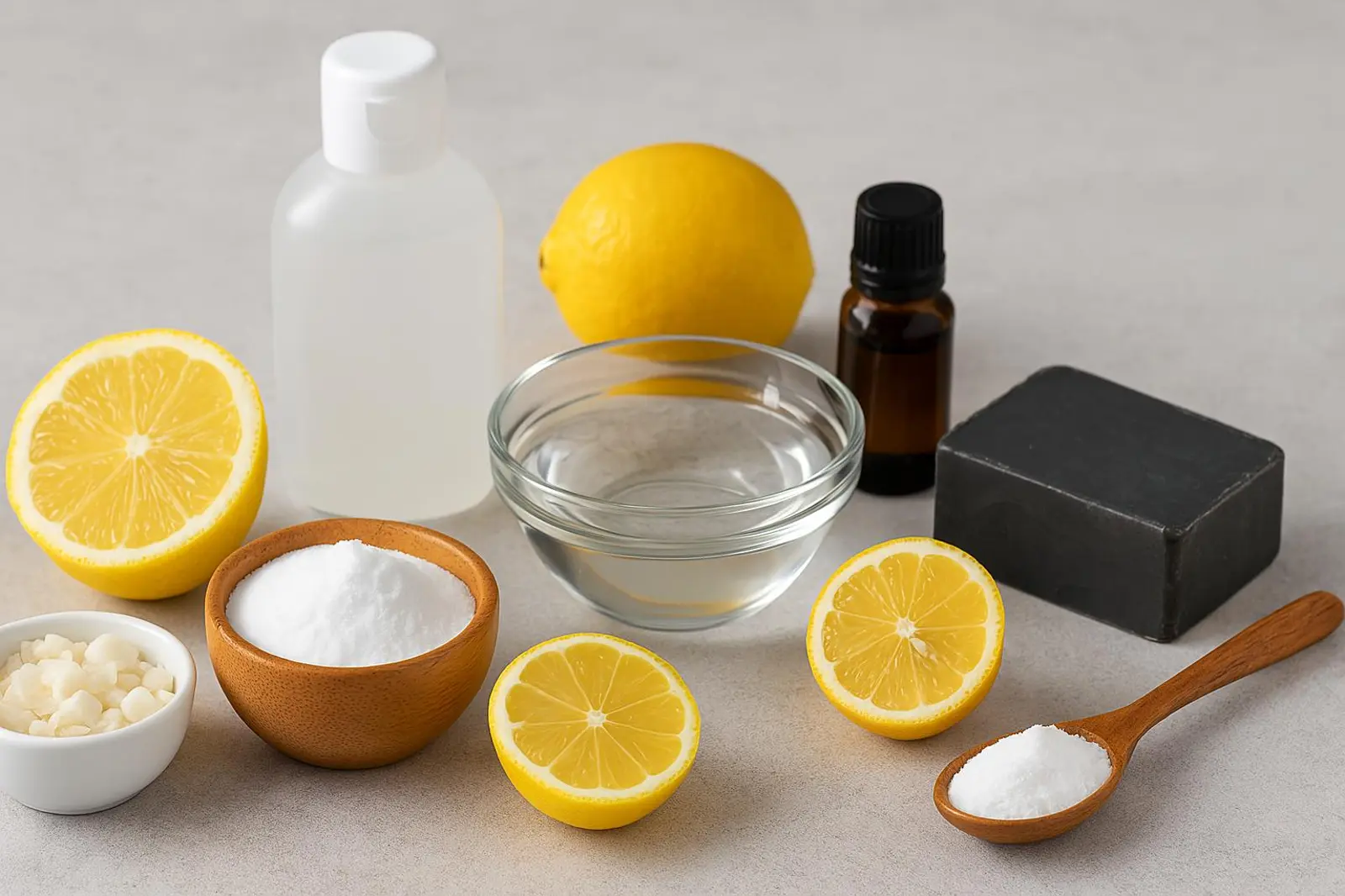

Vinegar, baking soda, and ventilation: the most reliable home remedies for mold in bathrooms, walls, and windows
Mold in the home is more than just an aesthetic problem. It can damage walls and furniture, cause unpleasant odors, and even affect health—especially for people with allergies or respiratory conditions. Excess moisture, poor ventilation, and condensation create the perfect environment for fungal growth.
While chemical cleaners are widely available, more households are turning to natural alternatives to remove mold without introducing harsh substances into their living spaces. Some of these home remedies can be surprisingly effective when used correctly.
Why mold appears indoors
Mold typically develops in areas with persistent humidity and limited airflow. Bathrooms, kitchens, basements, window frames, ceilings, and cold corners are the most common hotspots.
When warm, moist air comes into contact with cold surfaces, condensation forms. Over time, this trapped moisture creates ideal conditions for mold spores to grow.
Small issues such as leaks, drying clothes indoors, or insufficient ventilation can quickly make the situation worse.
White vinegar: a powerful natural solution
White Vinegar is one of the most commonly used natural remedies for household mold. Its acidity helps eliminate many fungal spores without the need for bleach or harsh chemicals.
To use it, simply fill a spray bottle with undiluted white vinegar and apply it directly to the affected area. Let it sit for about an hour before wiping it clean with a damp cloth.
For stubborn stains, a soft brush can be used to gently scrub the surface.
One of vinegar’s key advantages is its ability to help prevent mold from returning when used regularly.
Baking soda for odor and moisture control
Baking Soda is another household staple with strong cleaning benefits. It helps remove stains, neutralize odors, and absorb moisture.
A simple solution involves mixing a tablespoon of baking soda with warm water and spraying it onto the affected area, or applying it with a sponge.
For smaller spots, a thicker paste made with a little water can be applied directly and scrubbed gently.
Many people combine vinegar and baking soda in deep cleaning routines, although they should be applied separately rather than mixed together in the same container.
Tea tree oil: a rising natural alternative
Tea tree essential oil has gained popularity thanks to its antifungal properties.
Although more expensive than other home remedies, it is often used for smaller areas due to its effectiveness and pleasant scent.
A few drops mixed with water in a spray bottle can be applied directly to mold-affected surfaces. Rinsing is usually not necessary.
Ventilation remains the key factor
No cleaning method will provide long-term results if moisture problems are not addressed.
Experts emphasize that proper ventilation is the most important defense against mold. Opening windows daily, using extractor fans in bathrooms and kitchens, and avoiding indoor drying of clothes in poorly ventilated rooms can make a significant difference.
In more humid environments, dehumidifiers or moisture-absorbing products can also help.
It is also important to check for leaks, cracks, or insulation issues, as mold tends to return quickly if the underlying cause is not resolved.
When mold becomes a serious issue
While many household mold problems can be handled with natural remedies, some situations require professional intervention.
If mold covers large areas, keeps coming back, or affects structural elements such as ceilings, wood, or ventilation systems, the problem may be more severe than it appears.
Medical attention should also be considered if respiratory symptoms persist, especially in children, elderly individuals, or people with asthma or allergies.
Ultimately, prevention remains the most effective strategy.
Once mold takes hold in a home, removing it completely is often far more difficult than preventing it in the first place.