Returning to the Body: How Yoga Teaches Us to Be More Present
When people talk about yoga, we often think of it as something purely physical. And while that is certainly part of the practice, yoga goes far beyond...

WorldDepths
Administrator
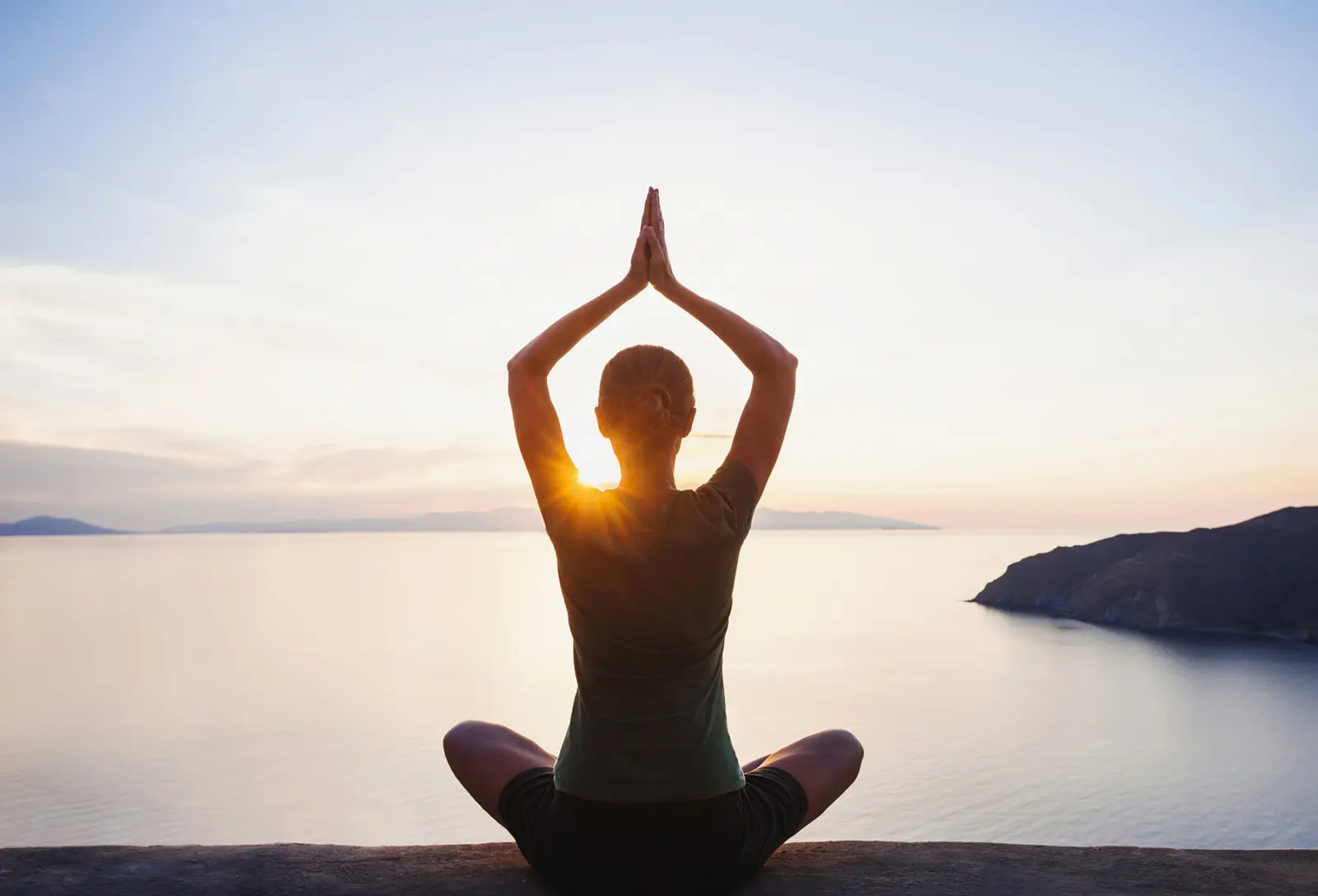
When people talk about yoga, we often think of it as something purely physical. And while that is certainly part of the practice, yoga goes far beyond that. It’s not just about perfectly aligned asanas (yoga postures), but about everything that happens both on and off the mat.
When was the last time you truly felt your body?
Truly feeling our body in a conscious way, rather than simply using it, may sound simple. Yet over the years, it often becomes harder to do. Yoga invites us to reconnect with that awareness.
In every posture, we can notice each part of the body and recognize how strength, stability, and flexibility all work together to support the pose. And this process is deeply individual: it doesn’t matter whether your leg reaches farther or less far in a certain movement. All of those abilities are already working together and sustaining your practice in their own way.
The body speaks too: yoga, presence, and proprioception
Proprioception refers to our ability to sense the body without needing to look at it. Many yoga postures are designed with exactly this intention: to feel where a leg, an arm, or any other part of the body is, and to move it consciously without relying on sight. In a beautiful way, this invites us to stay present.
Closing the eyes at different moments during a class or personal practice is also a way of directing attention toward what the body is trying to tell us: looking inward, focusing on ourselves rather than only on the outside world. When attention returns to the present moment, we can recognize more clearly how we are feeling physically and emotionally.
Yoga is more than stretching: how it strengthens the connection between body and mind
Yoga is not just about stretching. Every asana has a purpose, and that is why certain emotions may sometimes arise while we practice. Little by little, everything begins to turn into a connection between the physical body, the mind, and the breath, where you begin to understand what is happening within yourself as you move.
- Can you maintain slow, deep breaths only through your nose?
- Do you trust yourself enough to try new movements, or do you hold yourself back?
- Do you become frustrated when something doesn’t work out, or can you allow someone to help you?
- Do you know when to stop and how to regulate your body through the breath?
- Do you constantly compare yourself to others in the class without knowing their journey or acknowledging your own individuality?
All of these questions find their answers off the mat, in everyday life, but very often they first emerge during practice.
Ultimately, yoga is an entire philosophy of life. If you feel drawn to practice, you can simply begin by showing up and trying it, while always asking yourself how you feel before and after. That is how the experience becomes something truly integrated rather than something you simply do. Openness and willingness are essential if real change is to happen.
And beyond that, every person I’ve met—both as an instructor and as a practitioner—has come to yoga for a reason. More often than not, it becomes a beautiful opportunity to see life from different perspectives, to reconnect with the body, and to inhabit it again in a way that feels more conscious, more authentic, and more real.