The Invisible Trap in Your Inbox: Phishing Attacks Through Email Are Rapidly Rising
Opening an email has become such an automatic part of daily life that millions of people no longer stop to think about the risks hidden behind a simpl...

WorldDepths
Administrator
Opening an email has become such an automatic part of daily life that millions of people no longer stop to think about the risks hidden behind a simple message. But behind flashy subject lines, fake banking alerts, or seemingly irresistible offers lies one of today’s biggest digital threats: phishing.
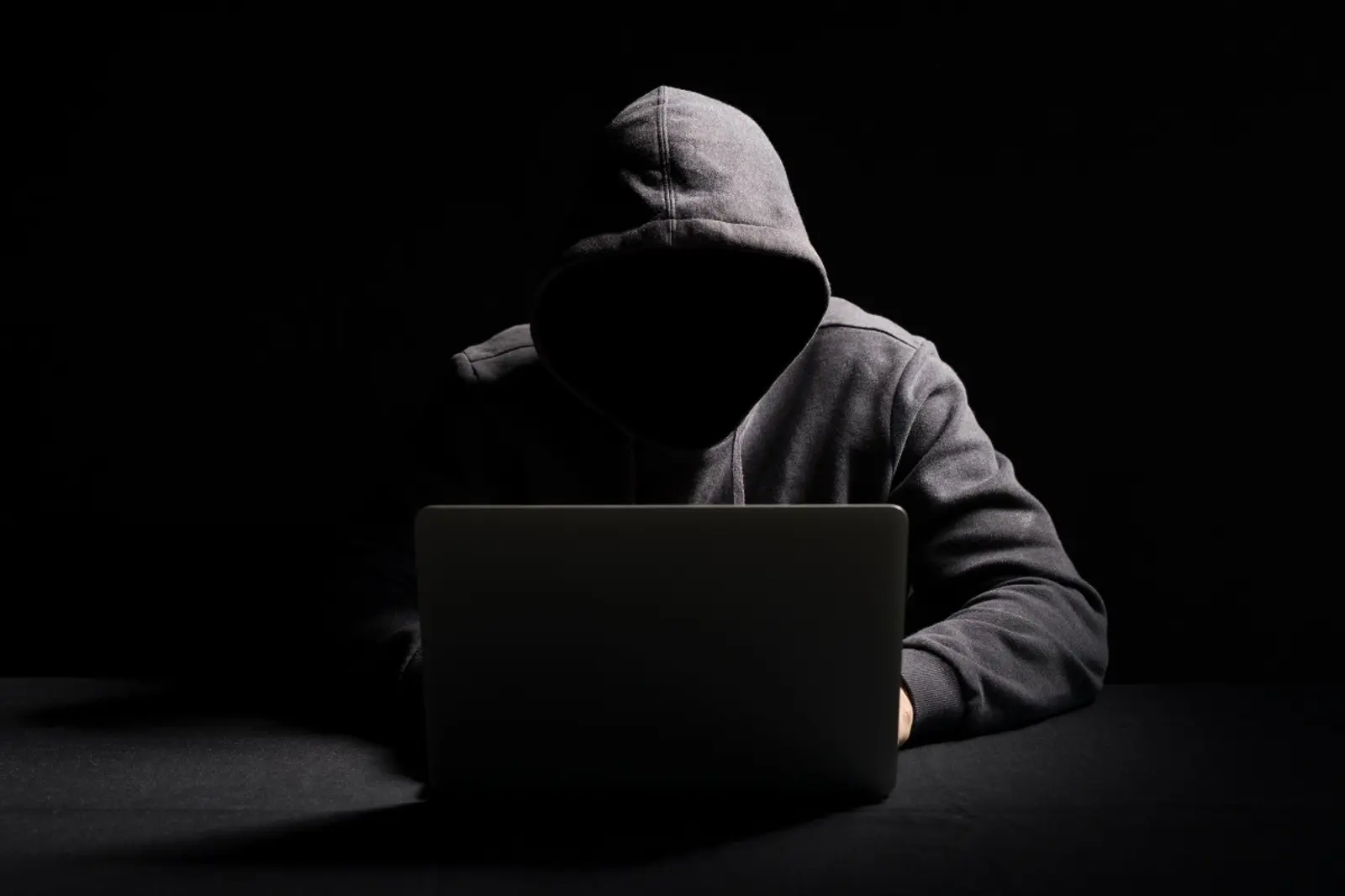
Cyberattacks carried out through fraudulent emails have increased dramatically in recent years, affecting not only everyday users but also major companies, governments, and financial institutions. What makes the situation even more alarming is how sophisticated these attacks have become. Cybercriminals no longer rely solely on poorly written messages or suspicious-looking links. Today, they use artificial intelligence, professional design, and advanced psychological tactics to deceive even experienced technology users.
The concept behind phishing is simple yet incredibly effective: manipulate the victim into voluntarily handing over sensitive information. Passwords, banking details, corporate credentials, credit card numbers, and even personal documents can end up in the hands of criminals with a single click.
The strategy itself is straightforward. These messages are designed to closely imitate legitimate communications from trusted companies and services. Users may receive alerts claiming their cloud storage is full, notifications about appointment changes, payment warnings, or even messages pretending to come from government institutions. In reality, the goal is almost always the same: trick the user into clicking.
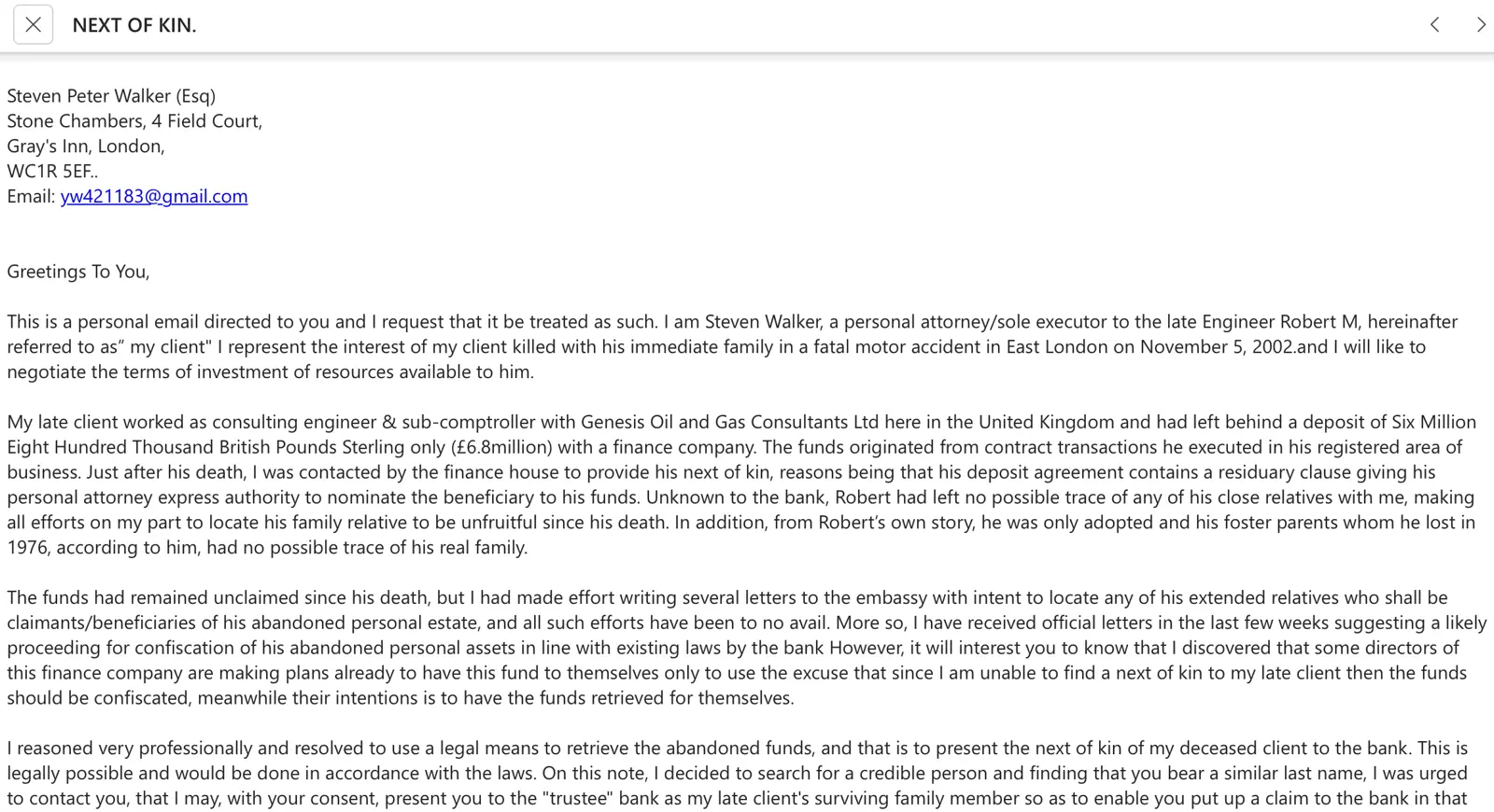
The visual design of these emails is carefully crafted to encourage immediate action without questioning whether the sender is truly connected to a service the user actually trusts. Logos, layouts, colors, and branding often look nearly identical to those used by real companies.
Several factors have fueled the rapid growth of this threat. One of the biggest is the accelerated digitalization of everyday life. From online banking to workplace platforms, nearly everything now depends on digital accounts and login credentials. Every account represents a potential entry point for attackers.
Remote work has also created new opportunities for cybercriminals. Many organizations moved entire operations online without fully strengthening their cybersecurity infrastructure. As a result, employees around the world began receiving fake emails appearing to come from managers, HR departments, or internal IT teams.
Attackers also take advantage of moments of global uncertainty. During economic crises, political instability, or international conflicts, phishing campaigns often disguise themselves as urgent warnings, financial aid offers, or official announcements. Fear and emotional pressure make people far more likely to overlook suspicious details.
One of the most dangerous aspects of modern phishing is its level of sophistication. Today’s emails can perfectly imitate the visual identity of banks, digital platforms, and well-known corporations. Authentic-looking logos, nearly identical domains, and carefully written text make it increasingly difficult to distinguish fraud from legitimate communication.
Even large corporations have become victims. In many recent cases, multinational companies lost massive amounts of money after employees were deceived by emails that appeared completely legitimate. A single compromised account can lead to stolen data, system breaches, or large-scale information leaks.
Artificial intelligence is now playing a major role in this new generation of cyberattacks. Criminals use AI-powered tools to create more convincing, personalized, and grammatically flawless messages. Some systems can even analyze social media profiles and public information to build highly targeted attacks against specific individuals.
This type of scam, known as “spear phishing,” is especially dangerous because attackers research their targets beforehand. Instead of sending thousands of generic emails, they craft personalized messages designed to create immediate trust.
Cybersecurity experts warn that the problem will continue to grow. As more aspects of life move online, email remains one of the most vulnerable points on the internet. Its widespread and routine use makes it the perfect channel for manipulation.
In response, prevention has become the strongest line of defense. Verifying senders, avoiding suspicious links, enabling two-factor authentication, and remaining skeptical of urgent messages are basic but essential security habits.
Still, experts agree that technology alone is not enough. The most powerful defense against phishing is digital awareness. Understanding how cybercriminals operate and recognizing their tactics can make the difference between protecting an account and losing critical information within seconds.
In a world where data has become one of the most valuable resources, every email can represent either an opportunity — or a carefully designed trap.