The Gulf’s new caravans: thousands of fuel trucks cross the desert to keep global trade alive after the Strait of Hormuz
A convoy stretching more than 25 miles carries diesel and jet fuel across Saudi Arabia as energy companies scramble for alternatives to Hormuz The par...

WorldDepths
Administrator
A convoy stretching more than 25 miles carries diesel and jet fuel across Saudi Arabia as energy companies scramble for alternatives to Hormuz
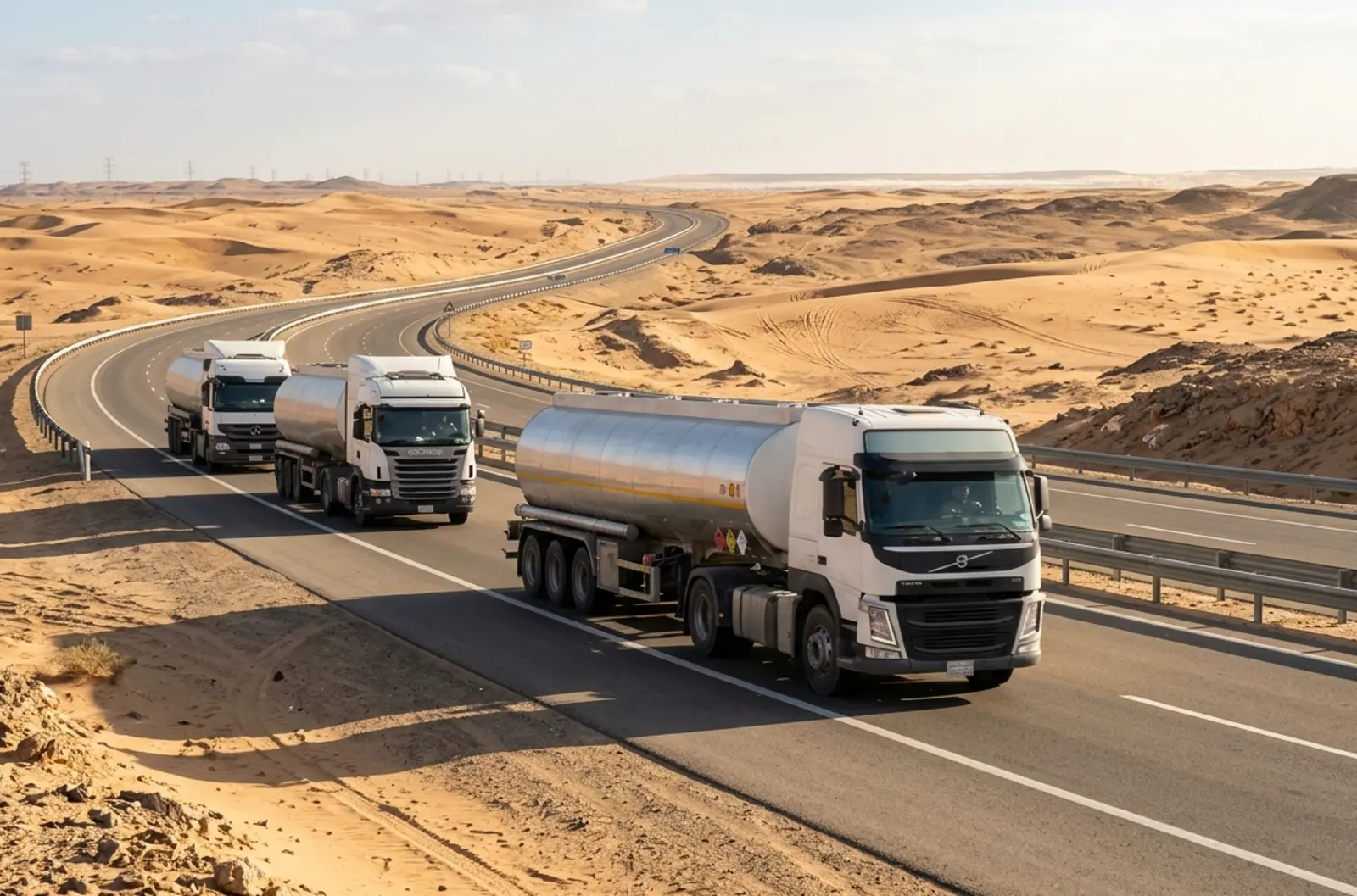
The partial closure of the Strait of Hormuz is rapidly reshaping the global energy supply chain. What for decades depended almost entirely on massive oil tankers moving through the Persian Gulf is now giving way — at least temporarily — to scenes that resemble ancient desert trade routes: thousands of fuel trucks crossing Saudi Arabia and neighboring Gulf states to keep international energy flows moving.
Over recent days, satellite imagery and videos circulating online have shown seemingly endless convoys of tanker trucks loaded with diesel, gasoline, jet fuel and petrochemical products moving across desert highways under extreme heat. Some convoys are reported to stretch for more than 25 miles (over 40 kilometers).
The images have become one of the clearest symbols yet of how deeply the Hormuz crisis is affecting global commerce.
The world’s most critical chokepoint
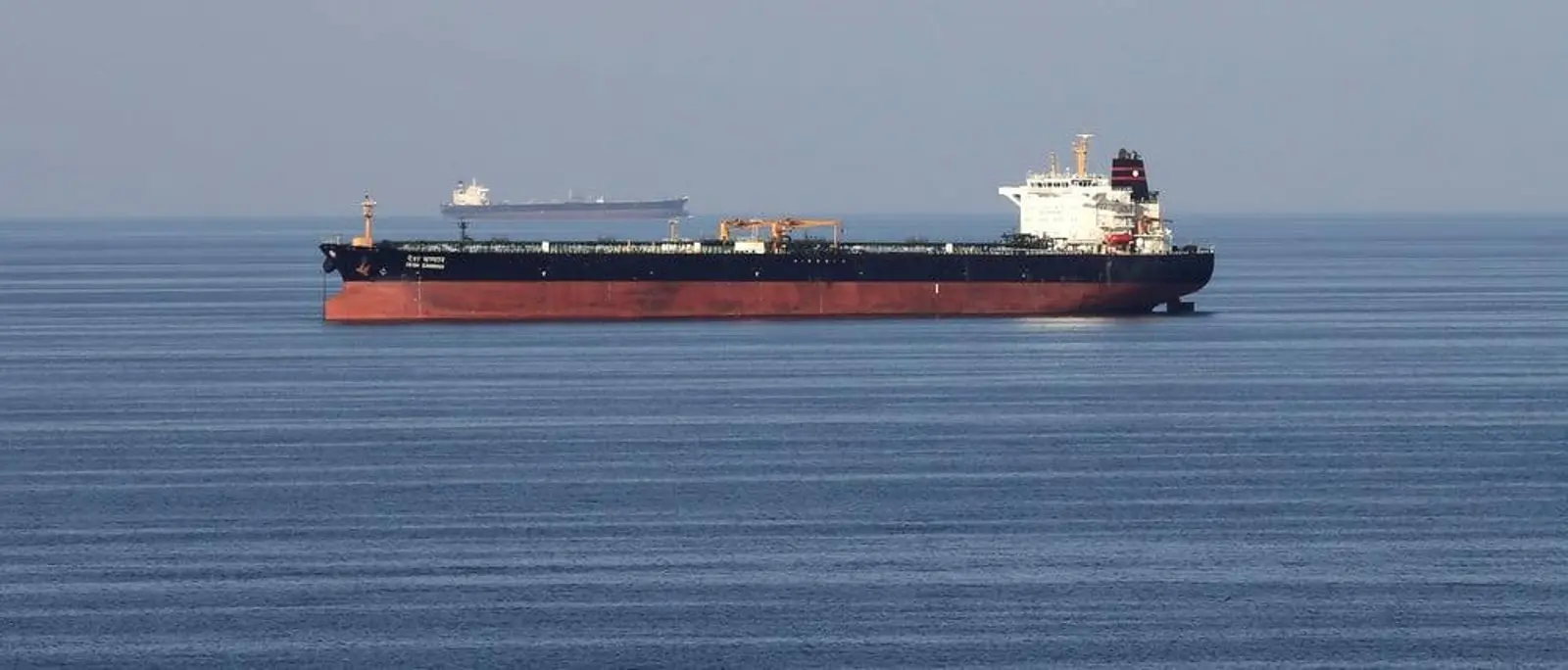
The Strait of Hormuz remains one of the most strategically important waterways on the planet. Roughly one-fifth of the world’s daily oil consumption passes through the narrow maritime corridor located between Iran and Oman.
Any disruption there immediately sends shockwaves through global energy markets. But the current situation has gone far beyond the occasional threats or isolated incidents seen in previous years.
Restrictions on maritime traffic and fears of attacks on oil tankers have forced governments, logistics operators and energy companies to improvise emergency alternatives in order to avoid major supply disruptions.
The result is one of the largest overland fuel transport operations the Gulf region has seen in decades.
Oil moving by road instead of sea
Transporting large volumes of fuel by road is normally far more expensive and less efficient than shipping it by sea. A single supertanker can move millions of barrels of crude oil, while even large tanker trucks carry only a tiny fraction of that capacity.
But the urgency of the current crisis has completely changed the equation.
Energy companies in Saudi Arabia, United Arab Emirates and other Gulf states have begun mobilizing massive truck fleets to connect refineries, alternative ports and inland distribution hubs away from high-risk maritime areas.
The goal is not to replace maritime oil transport entirely — something that would be practically impossible — but to keep critical supply chains functioning while uncertainty around Hormuz continues.
Along some strategic desert routes, the convoys now operate around the clock. Rotating drivers, mobile maintenance stations and heavily monitored security corridors have become part of an unusual landscape even in a region long associated with oil logistics.
The desert becomes a trade route again
The situation also carries a powerful symbolic dimension. For centuries, caravans crossed the Arabian Peninsula carrying spices, silk and incense between Asia, Africa and Europe. Now, in the middle of a modern energy crisis, the desert is once again serving as a crucial trade corridor — this time powered by diesel engines instead of camels.
Analysts say the crisis highlights how vulnerable the global economy still is to a handful of strategic geographic bottlenecks.
Although Gulf countries have spent billions of dollars in recent years building pipelines and alternative export routes to reduce their dependence on Hormuz, existing infrastructure still cannot fully absorb normal export volumes.
As a result, overland trucking has emerged as a temporary emergency solution.
Rising pressure on global fuel prices
The regional tensions are already affecting international energy markets. Oil prices have climbed sharply since the start of the crisis, while shipping companies and insurers have dramatically increased the cost of operating in the Persian Gulf.
Insurance premiums for tankers traveling near Hormuz have surged, forcing many companies to seek longer or safer alternative routes.
At the same time, the explosion in heavy truck traffic across Gulf highways is creating major logistical challenges. Local authorities have had to reinforce security checkpoints, expand roadside service areas and adapt road infrastructure to cope with the sudden increase in fuel transportation by land.
Some experts warn that maintaining such an operation for weeks or months would come at an enormous economic cost.
Moving fuel with thousands of trucks requires far more spending on fuel, maintenance and personnel than traditional maritime transport. Yet companies argue that the cost of allowing global energy flows to collapse would be even greater.
A reminder of global vulnerability
Beyond the dramatic images of tanker convoys crossing the desert, the Hormuz crisis is once again exposing a fundamental weakness in global trade: the world economy still depends heavily on a few highly sensitive maritime chokepoints.
A military escalation, partial blockade or prolonged security threat can destabilize entire markets within hours.
Energy-importing nations across Europe and Asia are closely monitoring developments, aware that a prolonged disruption in the Gulf could trigger fresh inflationary pressures and renewed economic instability worldwide.
Meanwhile, the fuel convoys continue rolling across the desert.
A striking image that blends modern logistics with echoes of ancient trade routes — and a reminder that even in the 21st century, global commerce remains deeply dependent on geography.